How does a Bunsen burner really work in microbiology?
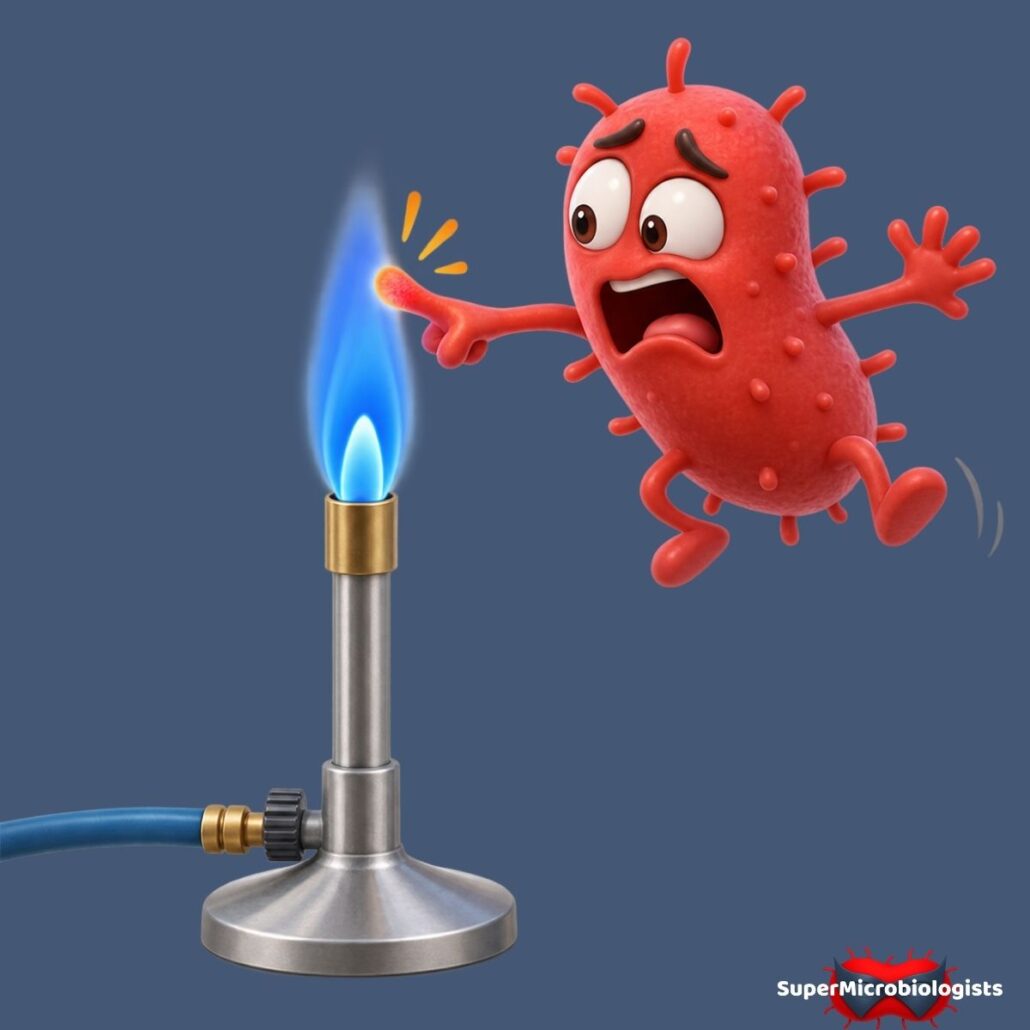
Key takeaways We have been using it in microbiology for so long that we hardly question it anymore. We turn on the gas, light the flame, adjust the collar to get a nice blue flame… and start working. But how does a Bunsen burner actually work? Why does the flame turn blue? How is it […]
Listeria: why should isolates be kept after detection?
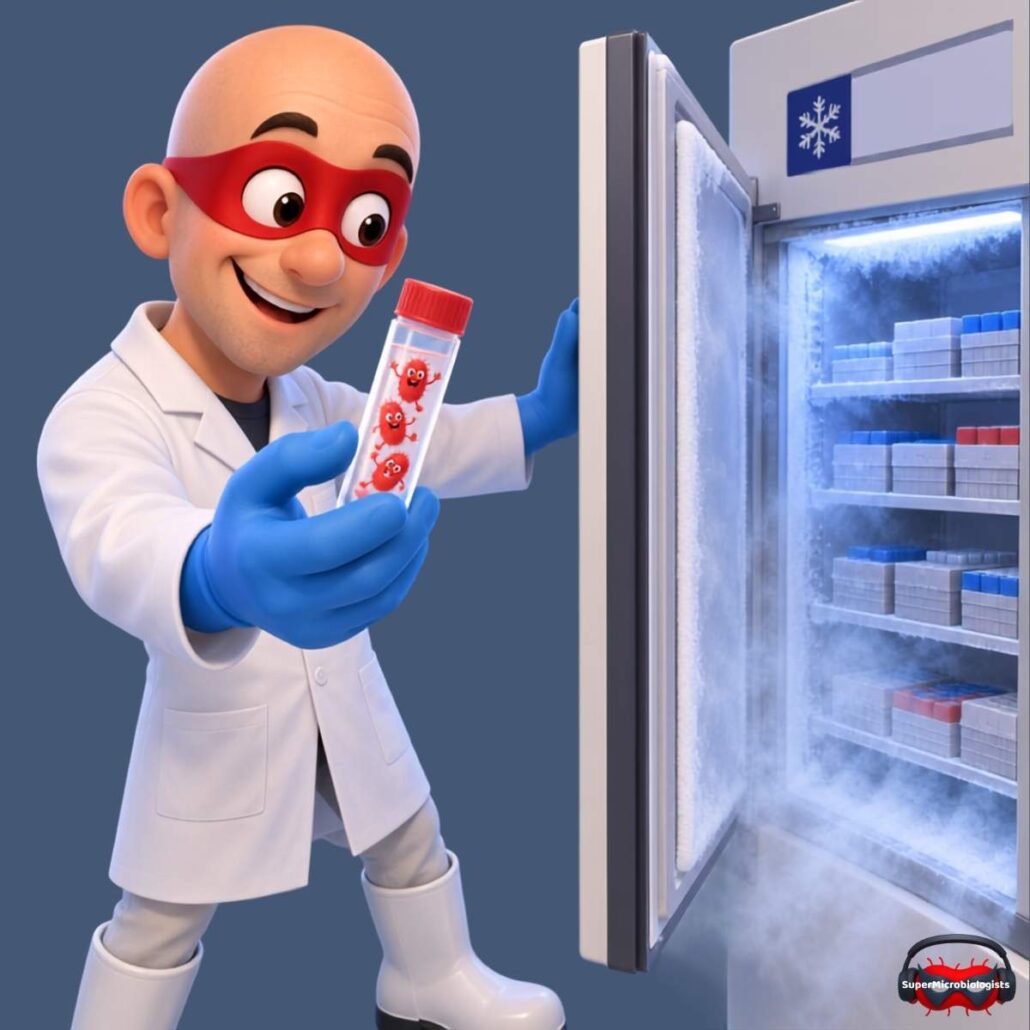
Key takeaways This article is also available as a podcast in more than 20 languages. Click the ⚙️ Settings icon on YouTube, then choose Audio Track and Subtitles to watch it in your preferred language. You detect Listeria in a drain, on a conveyor or on a product. A few months later, another detection appears […]
Is an always-negative Listeria control plan really reassuring?
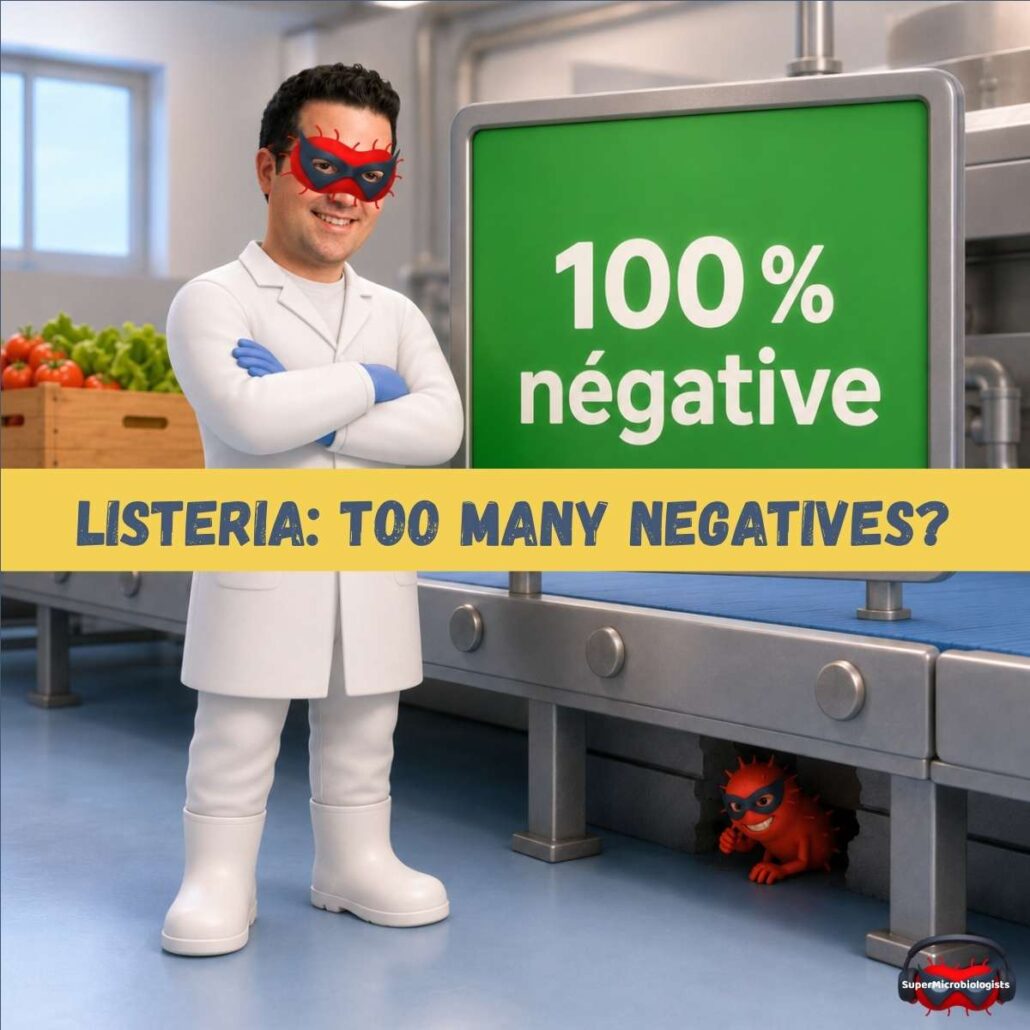
Key points This article is also available as a podcast in more than 20 languages. Click the ⚙️ Settings icon on YouTube, then choose Audio Track and Subtitles to watch it in your preferred language. All your environmental monitoring results are negative. On paper, everything looks perfect. The production area seems under control and there […]
Listeria contamination: what to do after the first positive result?
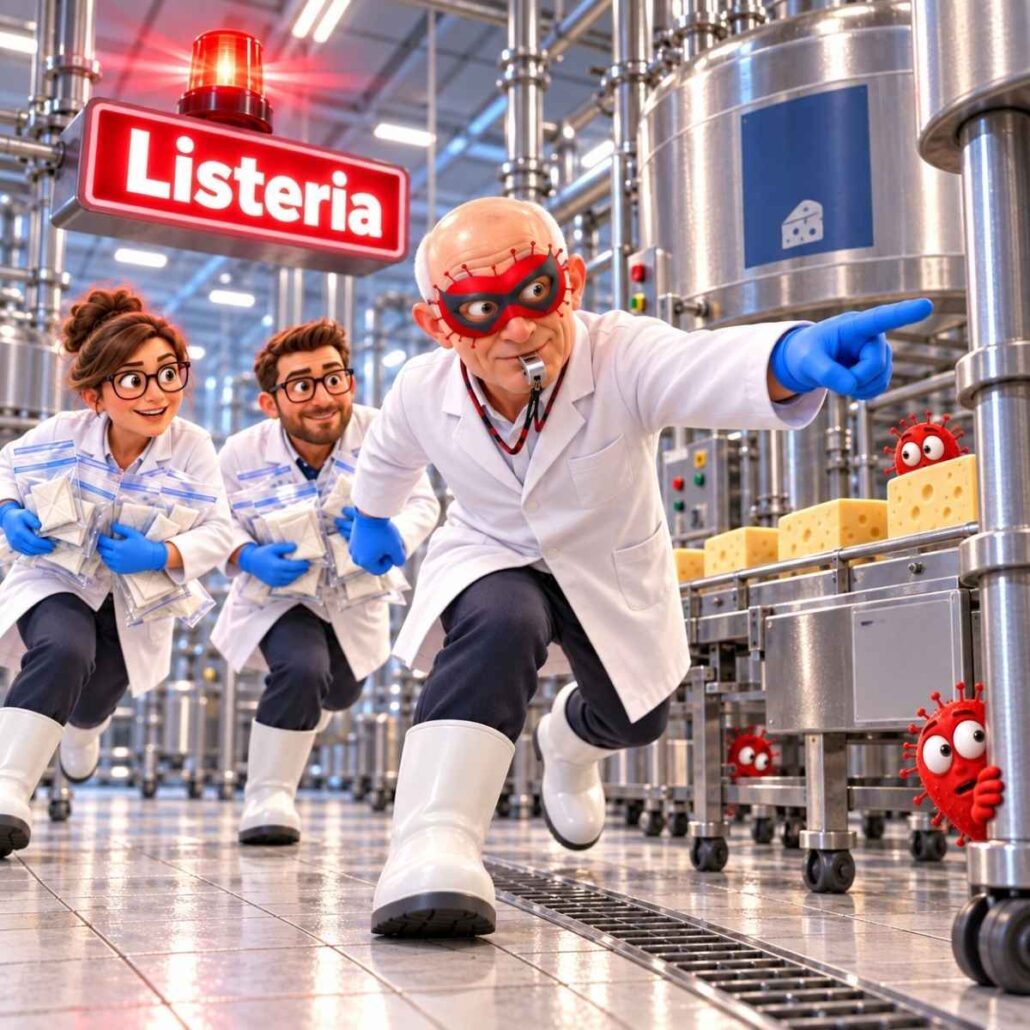
Key takeaways This article is also available as a podcast in more than 20 languages. Click the ⚙️ Settings icon on YouTube, then choose Audio Track and Subtitles to watch it in your preferred language. Your Pathogen Environmental Monitoring (PEM) program detects Listeria. What should you do next? Wait for the next sample scheduled in […]
Who Is Responsible for Microbiological Environmental Monitoring in the Food Industry?
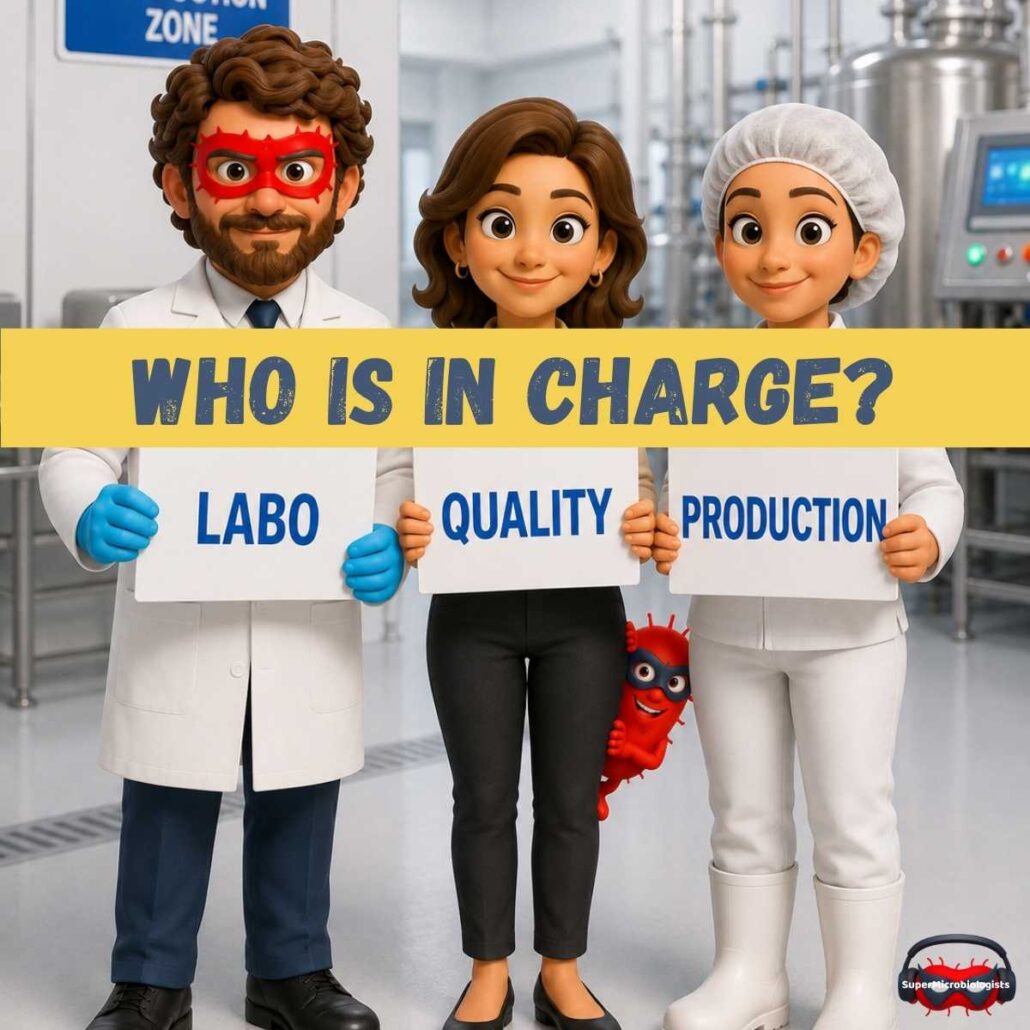
Key takeaways This article is also available as a podcast in more than 20 languages. Click the ⚙️ Settings icon on YouTube, then choose Audio Track and Subtitles to watch it in your preferred language. A production area can be huge. Hundreds of square meters, equipment, pipes, drains, wet areas, dry areas, flows of […]
How to sample for Listeria: sponge, cloth, swab, and what surface area?
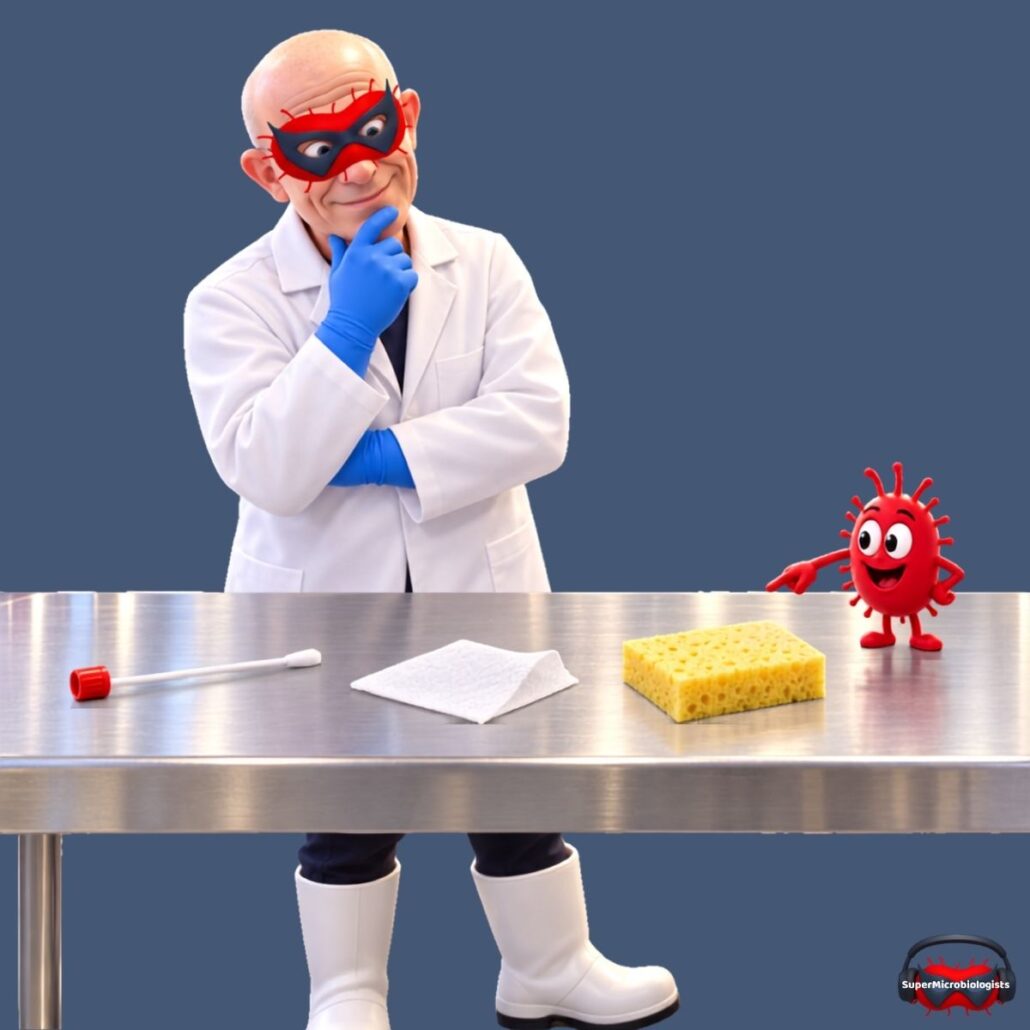
Key takeaways This article is also available as a podcast in more than 20 languages. Click the ⚙️ Settings icon on YouTube, then choose Audio Track and Subtitles to watch it in your preferred language. You have selected your sampling points and decided when to look for Listeria. One very practical question remains: how should […]
Why does Listeria establish itself so easily in food production areas?
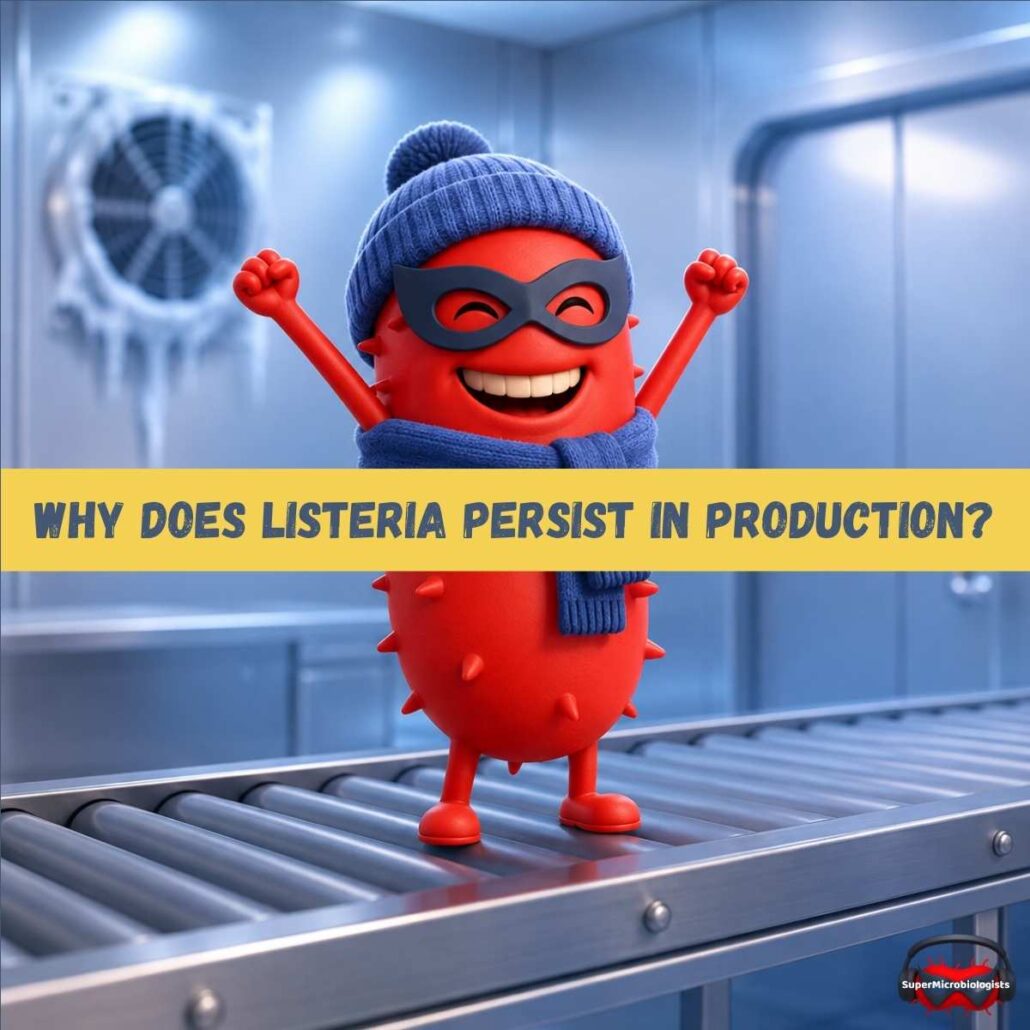
Key points This article is also available as a podcast in more than 20 languages. Click the ⚙️ Settings icon on YouTube, then choose Audio Track and Subtitles to watch it in your preferred language. Listeria monocytogenes has just been detected in a finished product… But where did the contamination come from? In most cases, […]
How to Choose Environmental Sampling Points in Food Production?
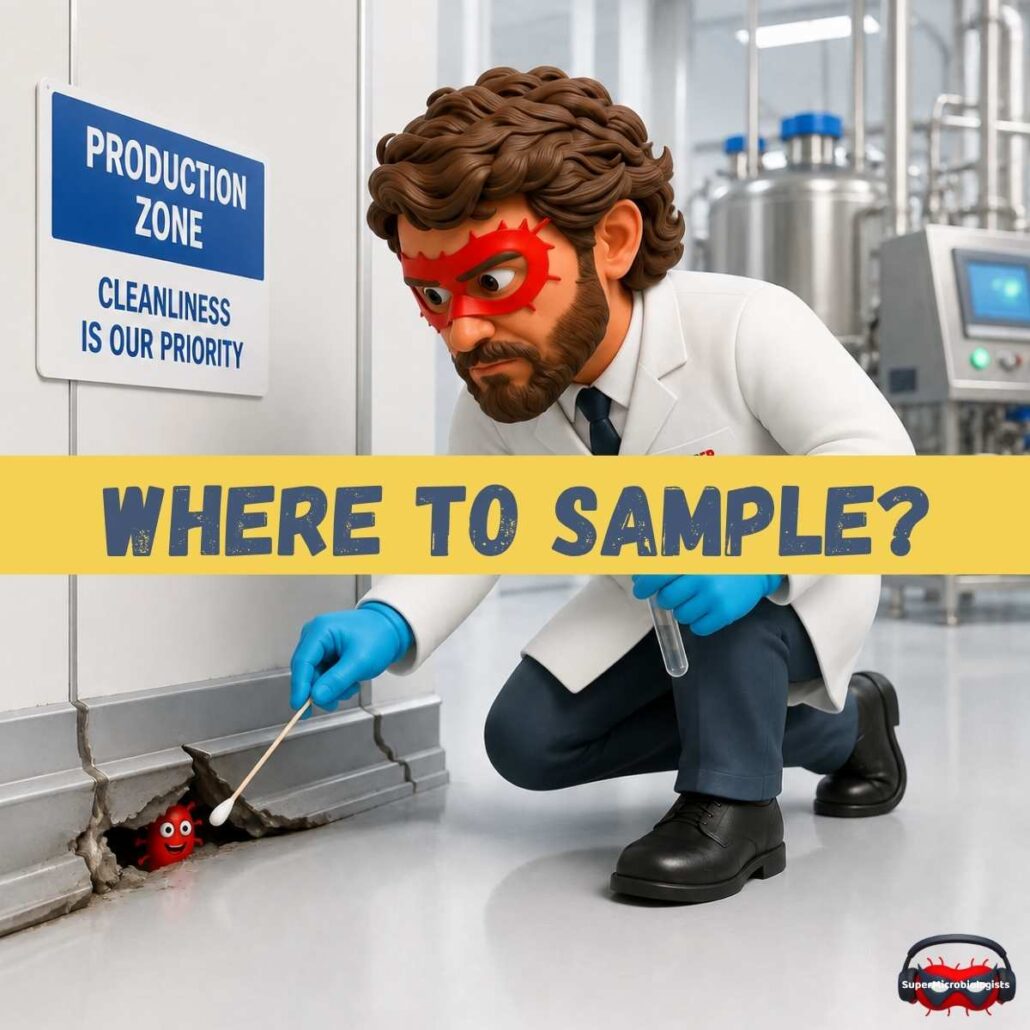
Key takeaways This article is also available as a podcast in more than 20 languages. Click the ⚙️ Settings icon on YouTube, then choose Audio Track and Subtitles to watch it in your preferred language. Today, we know that it is no longer enough to say that the microbiological quality of a production area is […]
bioMérieux Symposium 2026: 5 Key Takeaways for Food Microbiologists
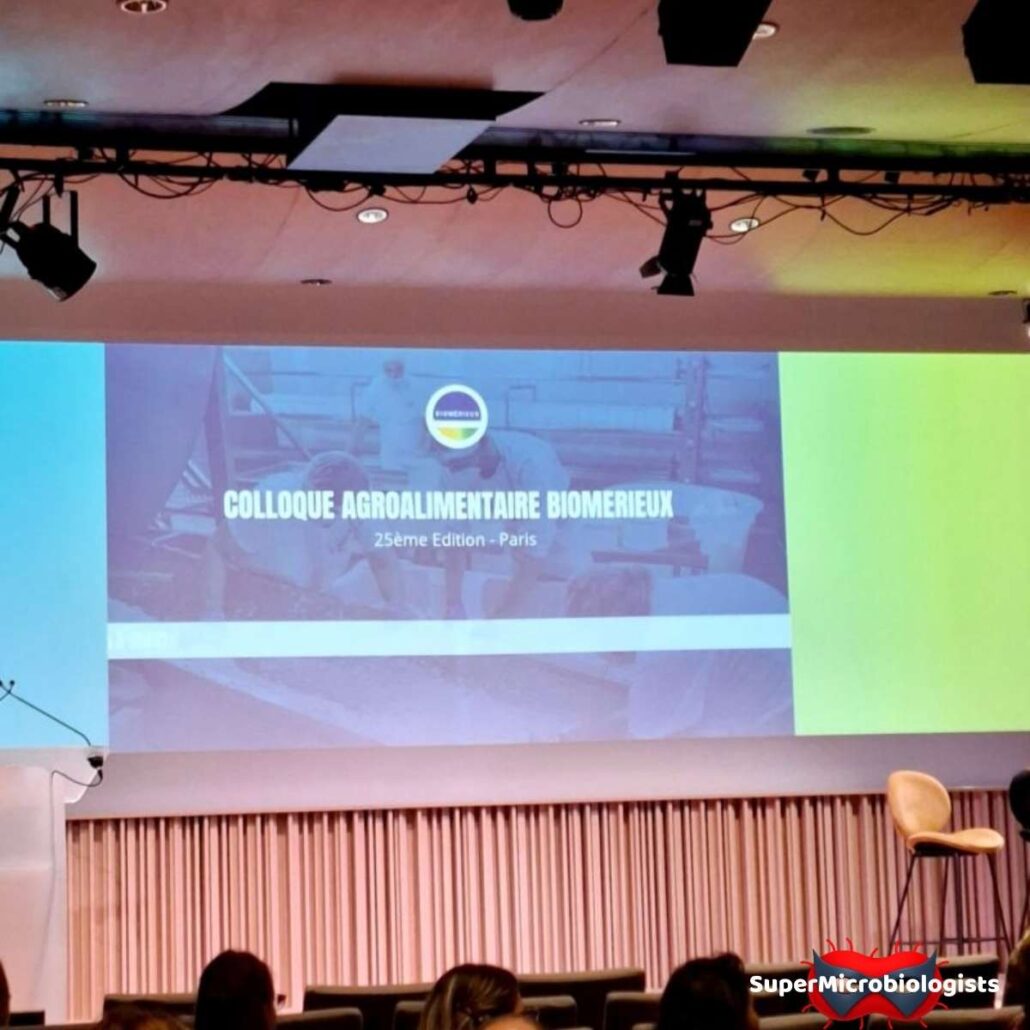
Key Takeaways Nearly 200 food microbiology professionals gathered in Paris for the bioMérieux Symposium 2026. Standards, Listeria, spoilage microorganisms, biofilms, artificial intelligence… it was a busy day! Rather than summarizing every presentation, here are 5 points we found particularly interesting. 1. The main changes to food microbiology standards Several updates to microbiology standards were presented, […]
When to sample for Listeria: after cleaning, during production, or at the end of production?
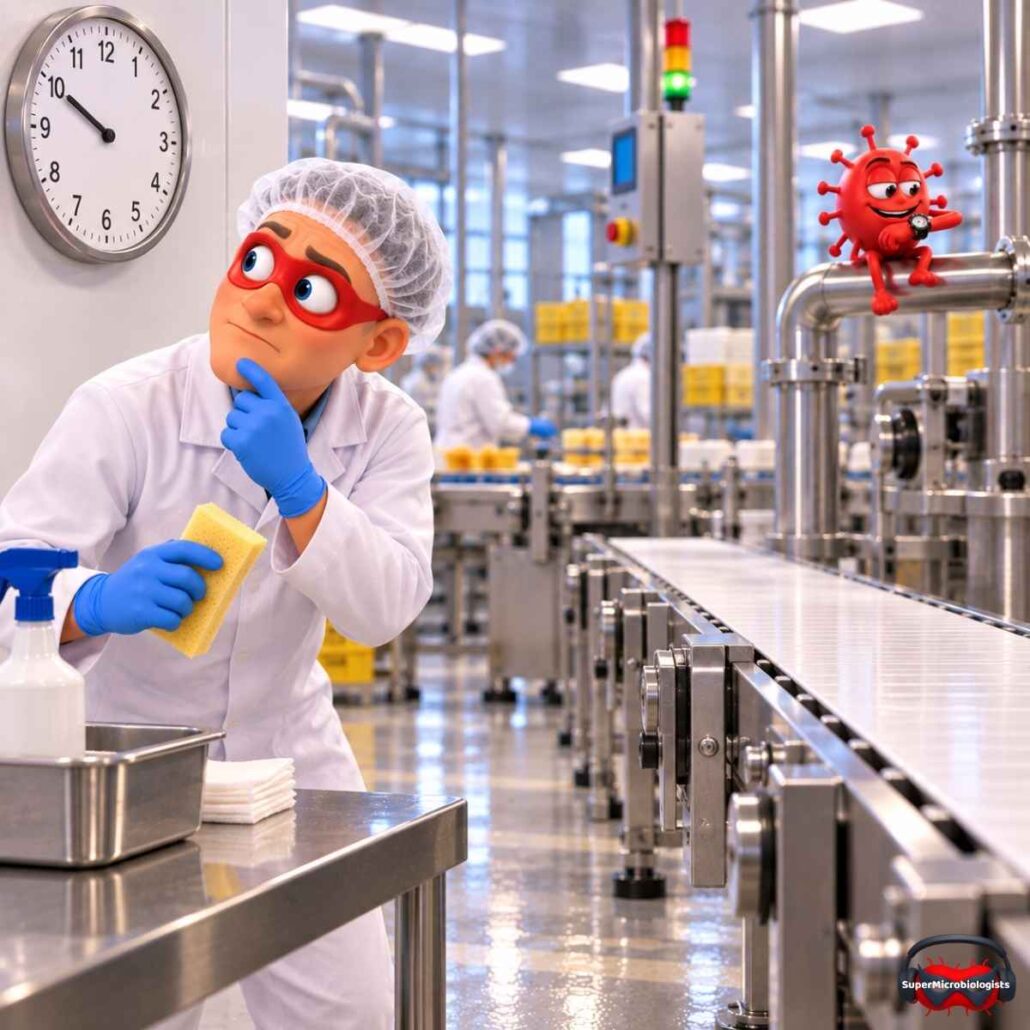
Key takeaways This article is also available as a podcast in more than 20 languages. Click the ⚙️ Settings icon on YouTube, then choose Audio Track and Subtitles to watch it in your preferred language. When should you look for Listeria in the environment of a food factory? After cleaning? During production? At the end […]