
Why Listeria Testing of Finished Products Is Almost Useless
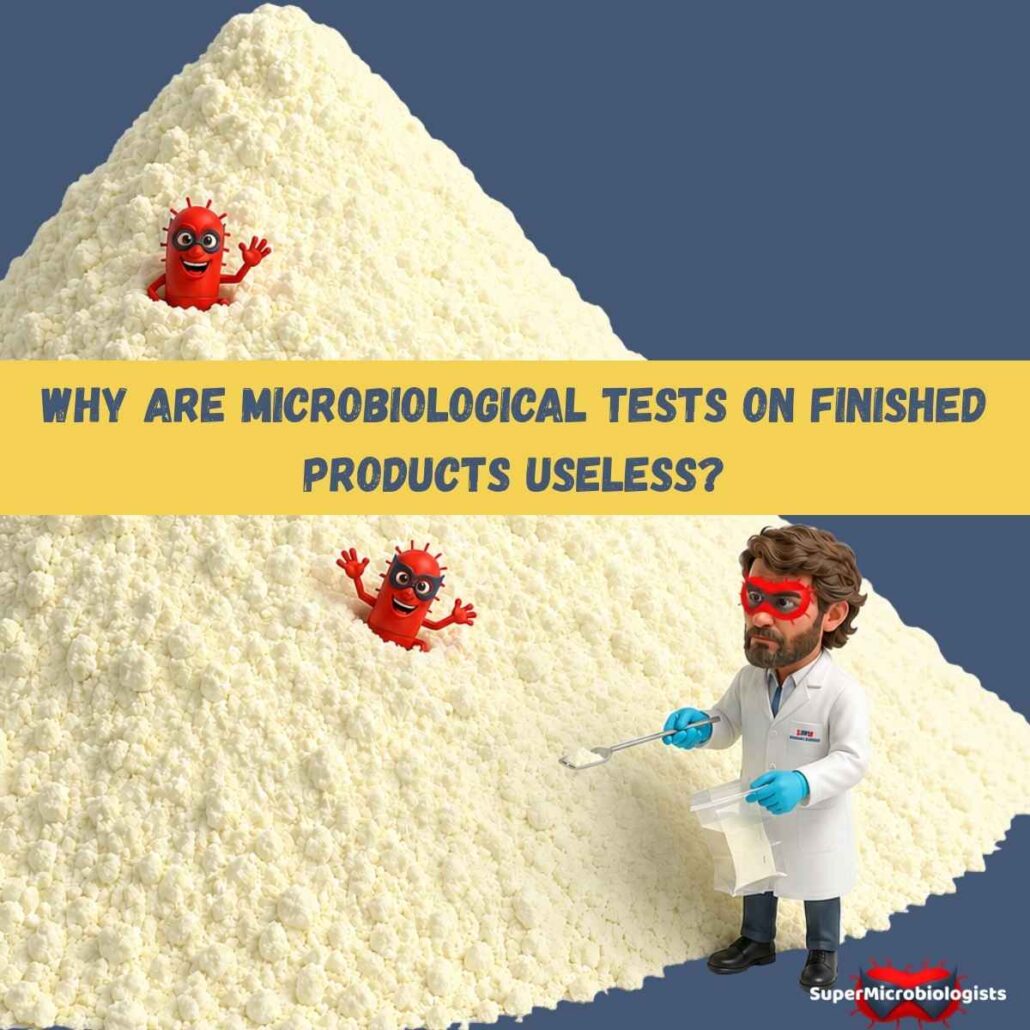
Key takeaways This article is also available as a podcast in more than 20 languages. Click the ⚙️ Settings icon on YouTube, then choose Audio Track and Subtitles to watch it in your preferred language. The batch has been produced. The microbiological test results have just come in and they are… negative: no Listeria monocytogenes […]
7 innovative tools to better detect Listeria in the environment
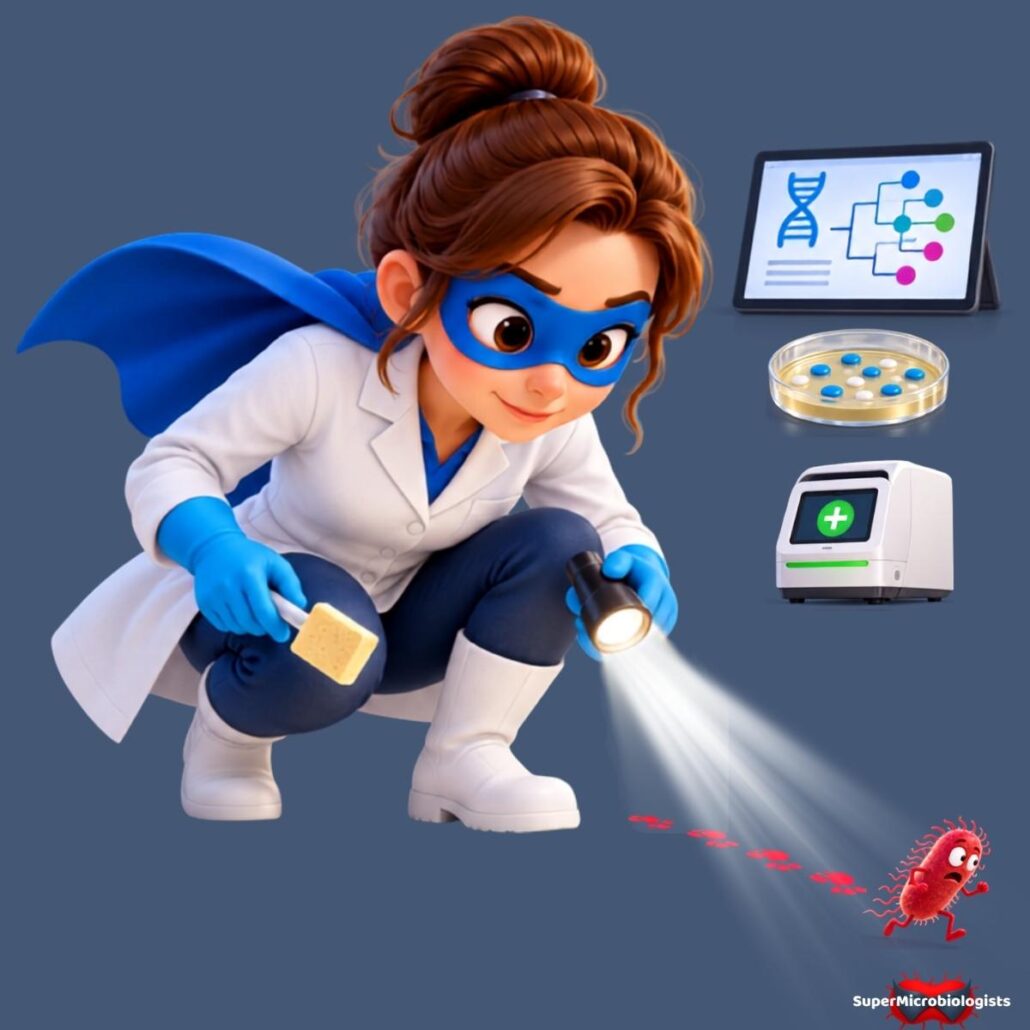
In food production, environmental monitoring for Listeria monocytogenes is becoming more and more important. And for a good reason… The earlier you detect Listeria in the factory, the better your chances of stopping it before it reaches the product. To achieve that, you need at least two things: The first part is in your hands […]
Yeasts and molds: does your packaging really hold up all the way to the consumer?
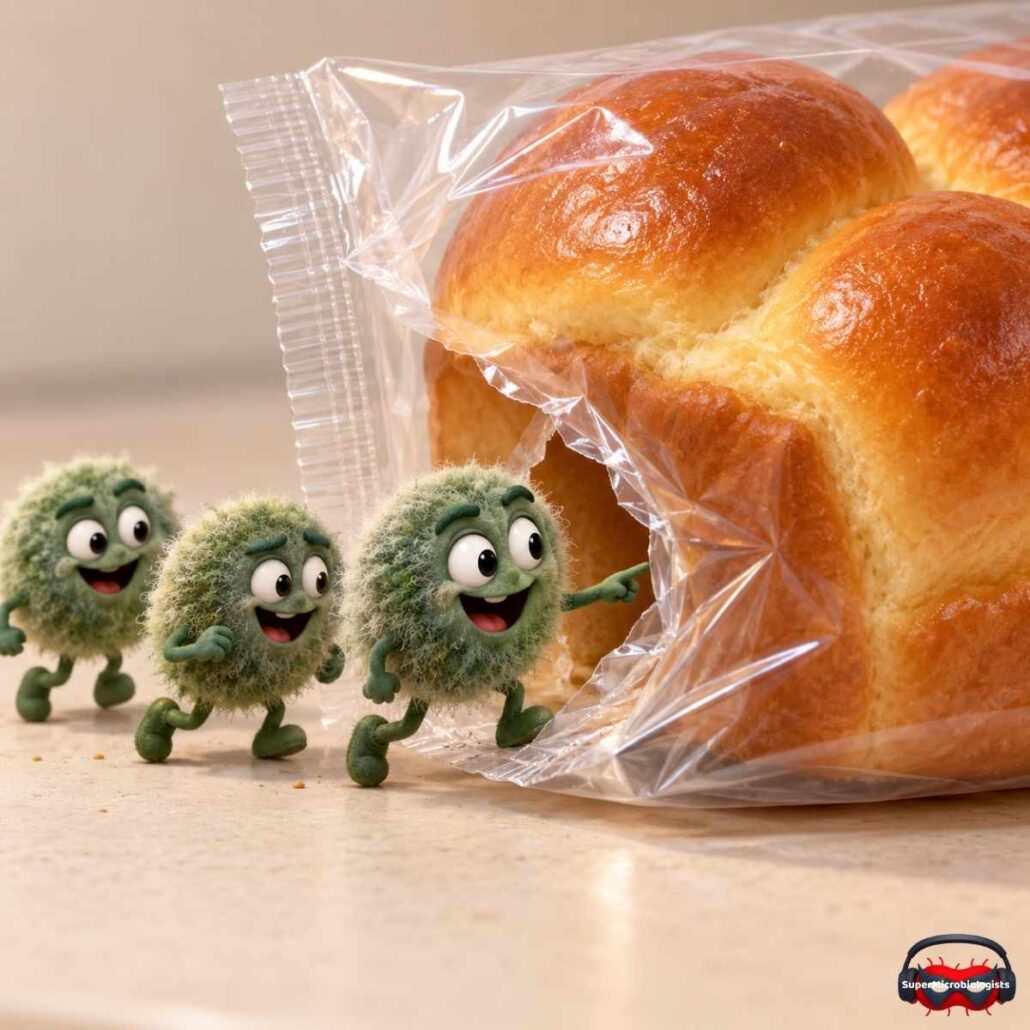
Key takeaways This article is also available as a podcast in more than 20 languages. Click the ⚙️ Settings icon on YouTube, then choose Audio Track and Subtitles to watch it in your preferred language. A product leaves the factory with no apparent issue. Yet a few days later, the consumer finds mould on it. […]
Listeria Detected in a Finished Product: What to Do in the First 24 Hours?
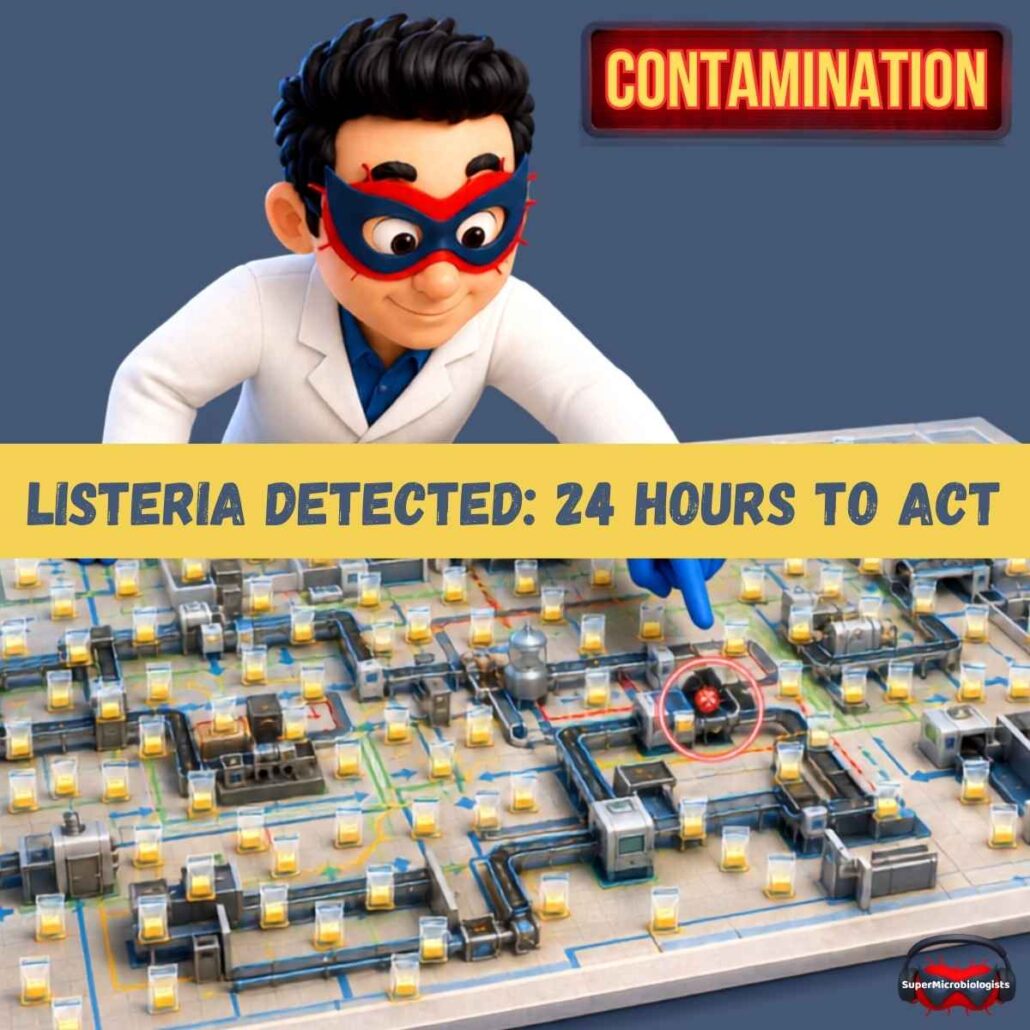
Key points This article is also available as a podcast in more than 20 languages. Click the ⚙️ Settings icon on YouTube, then choose Audio Track and Subtitles to watch it in your preferred language. The result has just come in… Listeria has been detected in a finished product. Ouch! How should you organize the […]
Which Rapid Microbiology Method Is Best for CGT and ATMP?
Key Takeaways This article is also available as a podcast in more than 20 languages. Click the ⚙️ Settings icon on YouTube, then choose Audio Track and Subtitles to watch it in your preferred language. While wandering through the corridors of the 2025 PharmaLab conference, we had the opportunity to meet Dimitra Sakoula-Dielissen, who told […]
40 000 SuperMicrobiologists
40,000… half a Stadium ! Okay, okay… we’re still far from Céline Dion’s numbers!! But 40,000 SuperMicrobiologists across our French and English LinkedIn pages… that’s starting to look like one seriously big colony. And in the end, the most impressive thing isn’t even the number. It’s all the conversations behind it : So many exchanges […]
Validation of Alternative Microbiological Methods: What Can Pharma Learn from the Food Industry?
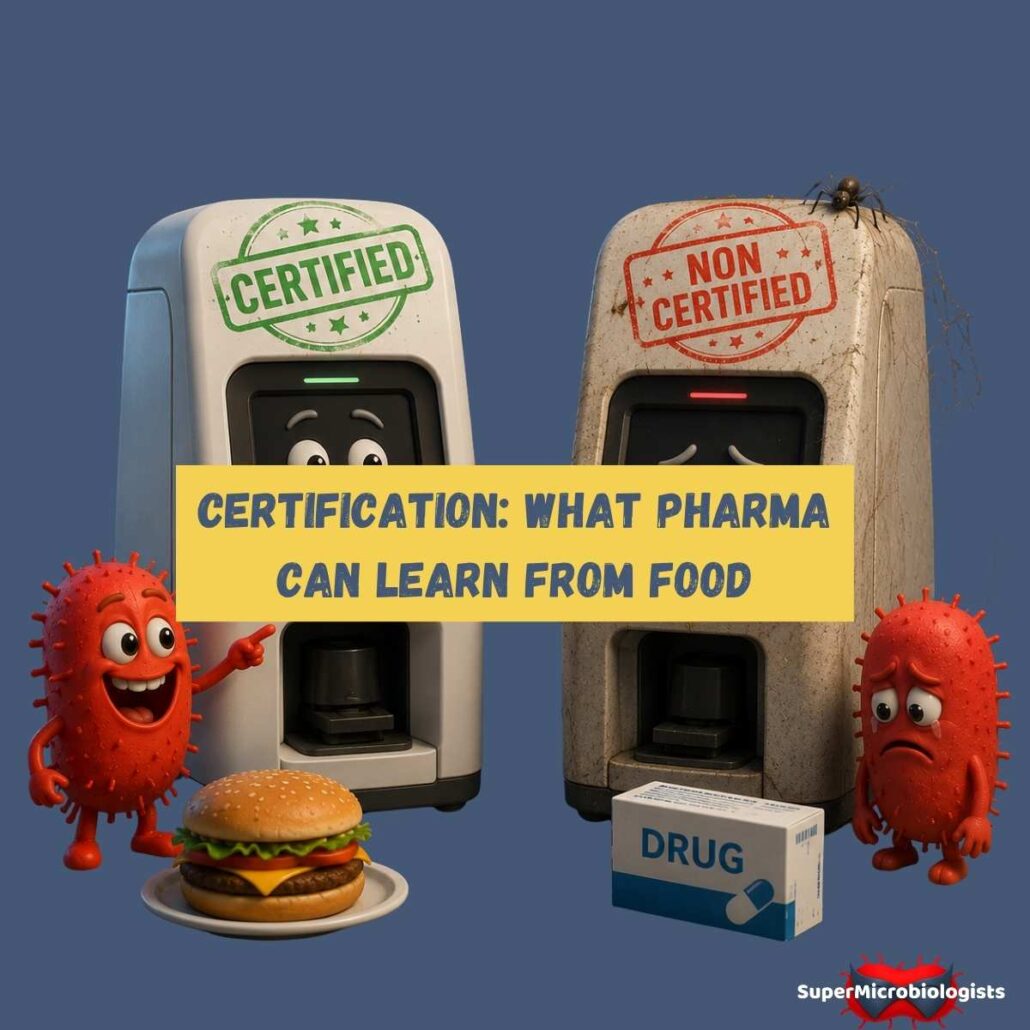
Key Takeaways: In a previous article, we tried to explain why rapid and alternative methods are still rarely used routinely in pharmaceutical microbiology laboratories. One of the main barriers is validation. Today, any laboratory wishing to implement a rapid method generally has to perform a full or near-full validation under its own conditions. From a […]
Primary Validation for Rapid Microbiological Methods: Why It Matters
Key takeaways This article is also available as a podcast in more than 20 languages. Click the ⚙️ Settings icon on YouTube, then choose Audio Track and Subtitles to watch it in your preferred language. When selecting an Alternative or Rapid Microbiological Method, the technology itself is only part of the equation. Its performance and […]
Results of Our Study: Does a Bunsen Burner Really Protect Against Contamination?
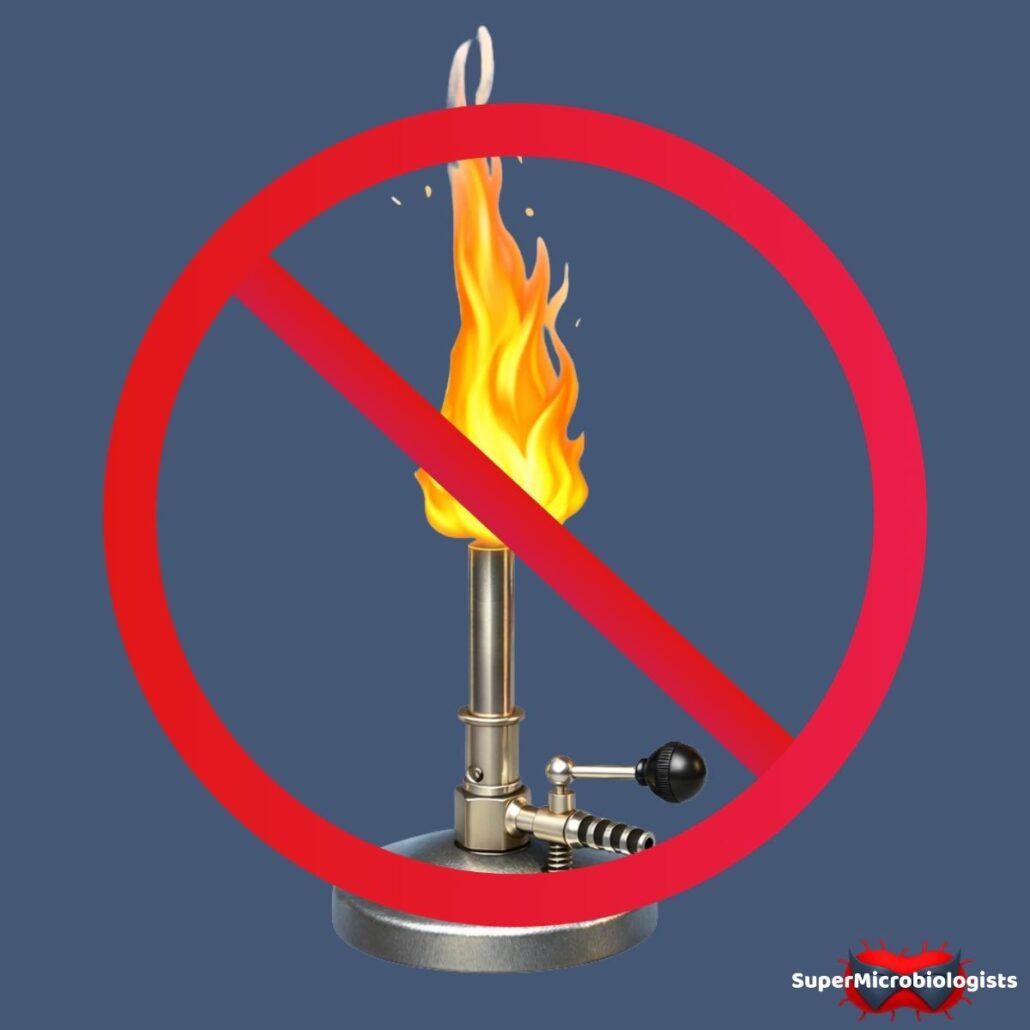
For decades, Bunsen burners have been used in microbiology laboratories to create a cleaner working area thanks to the movement of hot air. But does this really protect our work from contamination? To answer this question, we conducted a study with the participation of 126 microbiology laboratories. The goal was simple: to measure the effect […]
Pharma: Why Are Rapid Microbiological Methods Still Rarely Used in Routine Testing?
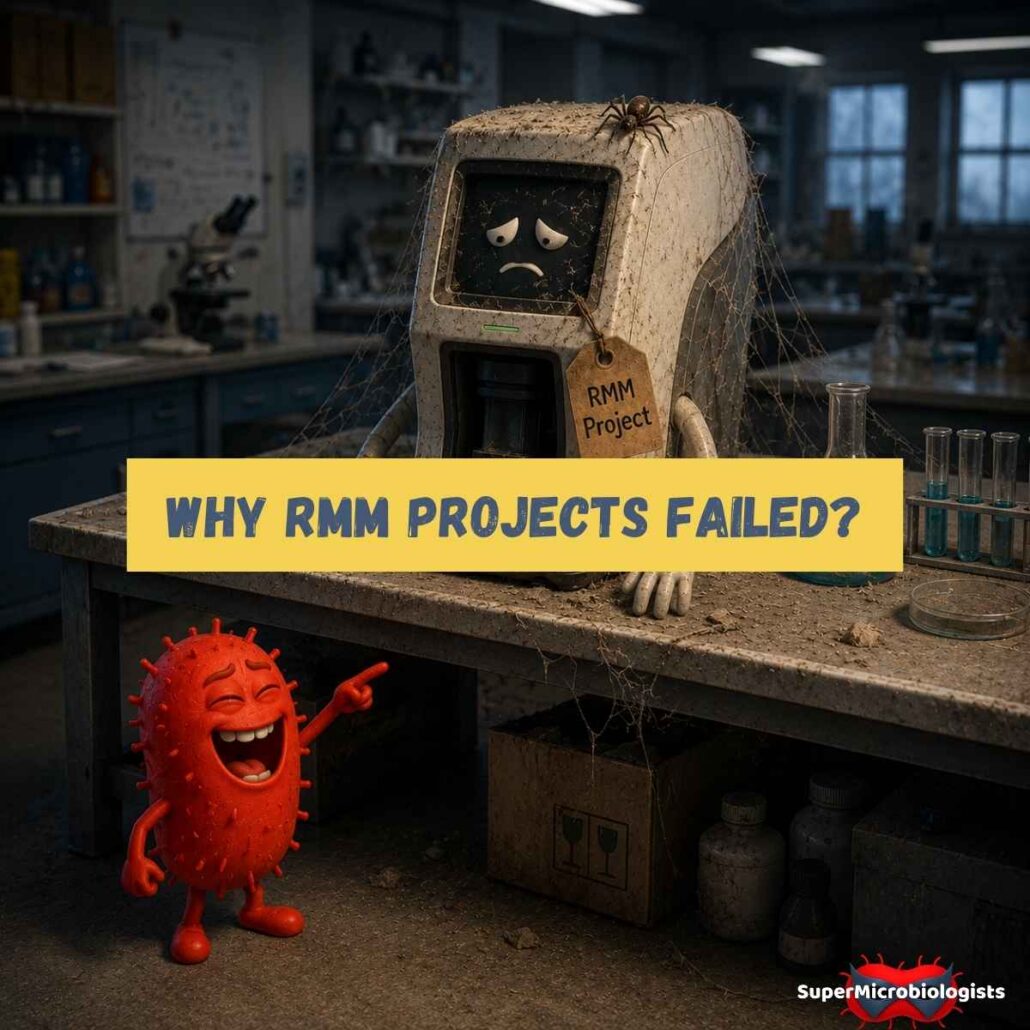
Key Takeaways: A few days ago, I took part in a live discussion with the QP Pharma team about Rapid Microbiological Methods (RMMs). We talked about the different technologies available, their potential applications, the expected benefits, time savings, faster product release, reduced waiting times… in short, everything that makes these methods attractive on paper. Then, […]