
4 tips to disinfect a Biological Safety Cabinet
Our experience shows that there are as many ways to disinfect a BSC (Biological Safety Cabinet) as there are… laboratories. Generally, it is recommended to follow the instructions provided by the BSC manufacturer, but in the real life of a lab, we know very well that (almost) no one reads it, and that’s not good! […]
What is a BSC – Biological Safety Cabinet?
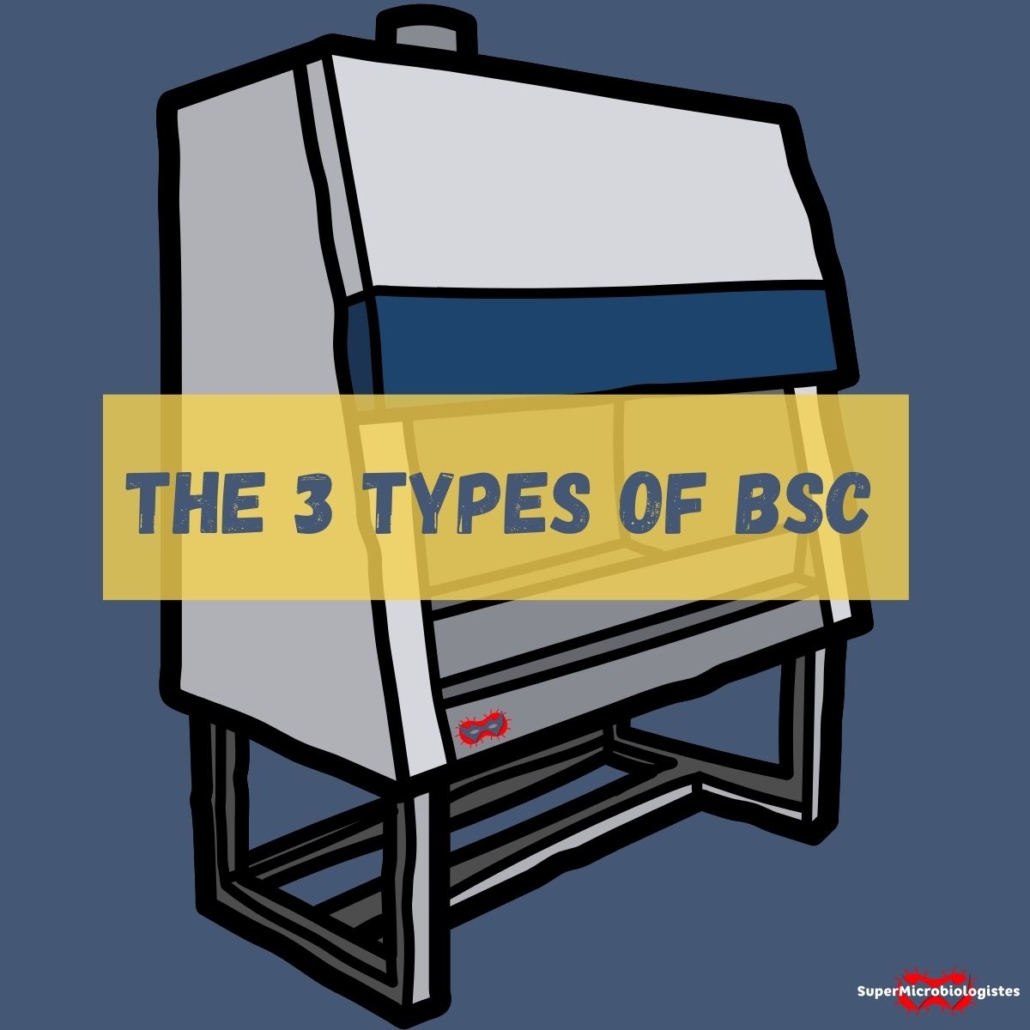
For several years now, in our microbiology laboratories, Biological Safety Cabinets have been replacing our old Bunsen burners. Why? Certainly not because of the rising gas prices, but rather for safety reasons (fire burns… apparently) and performance. But what exactly is a BSC? The different classes of BSCs A Biological Safety Cabinet (BSC) is an […]
Food Microbiology: How to limit cross-contamination caused by QC strains?
ISO 11133 and ISO 7218 standards require food microbiology laboratories to use QC (Quality Control) strains. This poses problems for the microbiology laboratory, notably due to the risk of cross-contamination. Following a call to the SuperMicrobiologists community to address this topic, Cécile Vadier immediately raised her… inoculation loop. We therefore went to interview her. Cécile […]
Food Microbiology: How to choose microbiological quality control strains?

In the last few years, food microbiology laboratories have been asked to perform more and more quality control tests to verify the performances of the methods and agents they use. To perform these QC (Quality Control) tests, food laboratories need microbial reference materials. But where can these strains be found? A few years ago, the […]
The worldwide map of microbiology labs
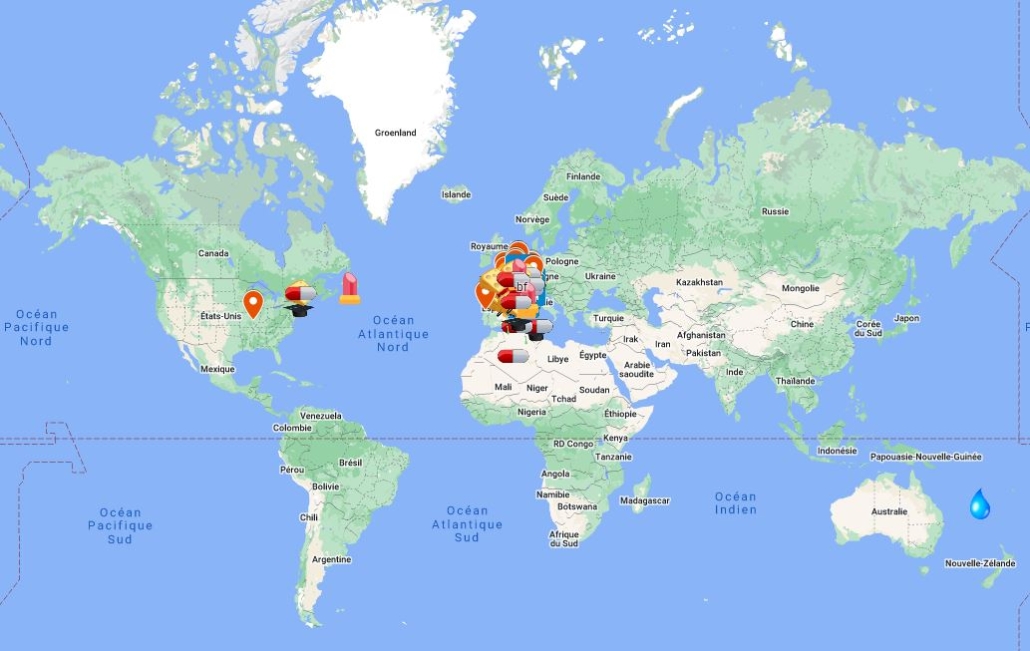
This map is the fruit of the collaborative work of the SuperMicrobiologists. Your answers will enable us to complete the map. Click here to add your lab to the map.
Microbiology: What is reverse pipetting?

In microbiology labs, air-cushion pipettes are the most commonly used. With this type of pipette, there are two pipetting techniques: Although reverse pipetting has many advantages, it’s still not widely known. In this article, we will (try to) explain what the reverse pipetting method is all about. What is forward pipetting? In microbiology labs, when […]