Bunsen Burner in Microbiology: Does It Really Protect Against Contamination?

Key takeaways The Bunsen burner has been part of microbiology labs for… almost forever! We flame-sterilize an inoculating loop, open a Petri dish near the flame and, above all, often assume that the rising hot air around the burner protects the work area from airborne contamination. But does this protection really work? And if it […]
7 innovative tools to better detect Listeria in the environment
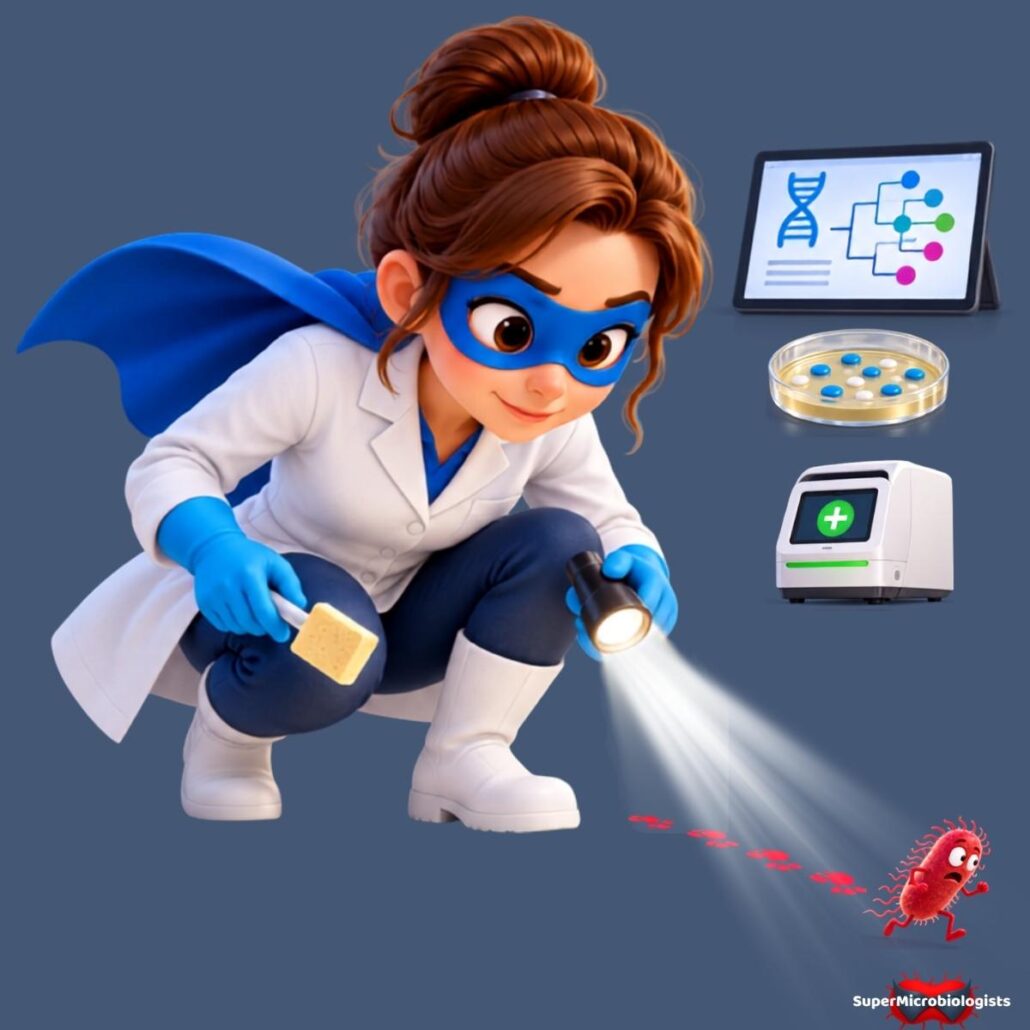
In food production, environmental monitoring for Listeria monocytogenes is becoming more and more important. And for a good reason… The earlier you detect Listeria in the factory, the better your chances of stopping it before it reaches the product. To achieve that, you need at least two things: The first part is in your hands […]
40 000 SuperMicrobiologists
40,000… half a Stadium ! Okay, okay… we’re still far from Céline Dion’s numbers!! But 40,000 SuperMicrobiologists across our French and English LinkedIn pages… that’s starting to look like one seriously big colony. And in the end, the most impressive thing isn’t even the number. It’s all the conversations behind it : So many exchanges […]
New PDA Technical Report 33: What Changes for Rapid Microbiological Methods?
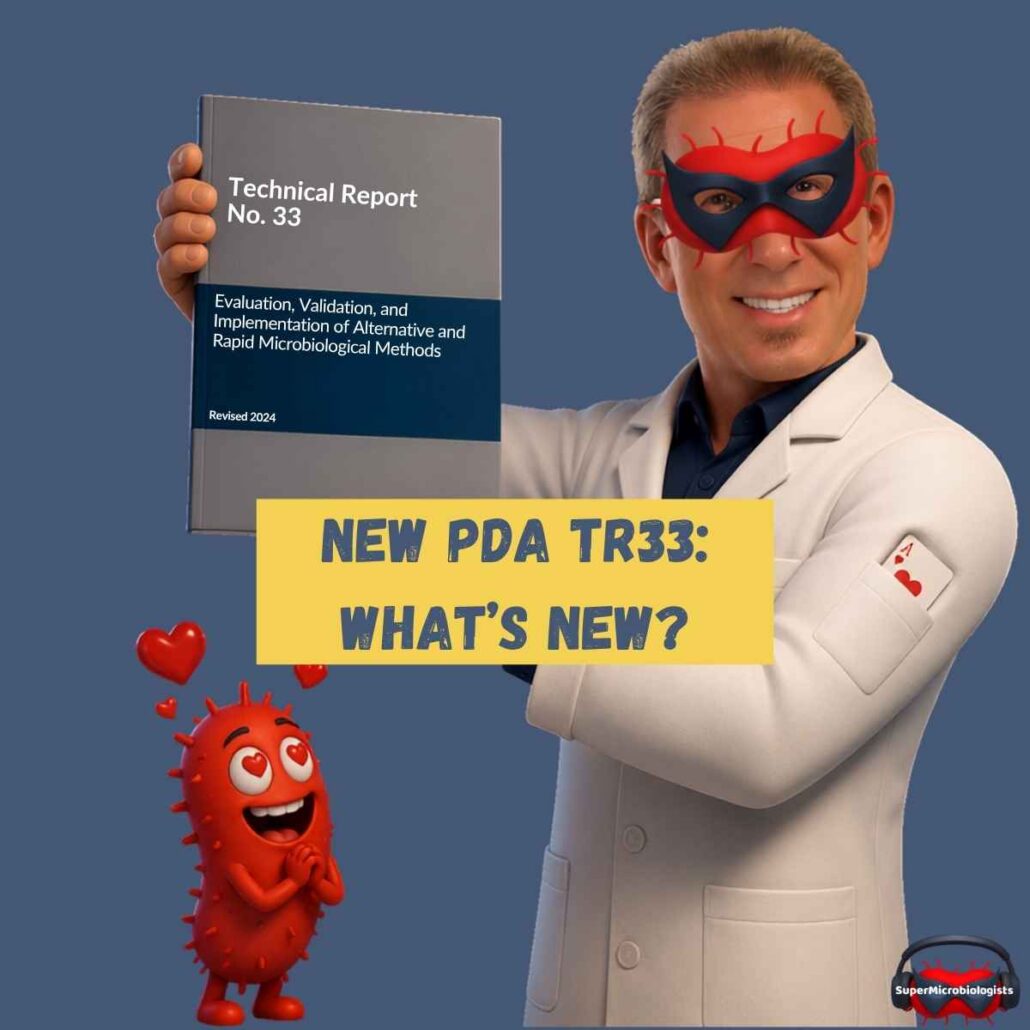
This article is also available as a podcast in more than 20 languages. Click the ⚙️ Settings icon on YouTube, then choose Audio Track and Subtitles to watch it in your preferred language. For pharmaceutical microbiologists looking to validate a Rapid Microbiological Method (RMM), one document stands out as a true roadmap: PDA Technical Report […]
SuperMicrobiologists has launched its WhatsApp channel
We’ve just launched a WhatsApp Channel! If you sometimes miss our LinkedIn posts or newsletters, this channel is for you. We’ll only share the most important updates: This is not a WhatsApp “group”, but a WhatsApp “Channel”: no conversations, no endless notifications. Only the SuperMicrobiologists team can post updates. It’s simply one more way to stay […]
We are looking for photos of microbial colonies
We’ve just launched an Instagram account where we’d like to share what we love most… colonies. For that, we need you… and your colony pictures. We’ll take anything: perfect colonies from growth promotion tests, but also weird, 3D or “hairy” contaminations! And if you know the strain name, even better. No need for perfect shots… […]
How does microbiology proficiency testing work?

This article is also available as a podcast in more than 20 languages. Click the ⚙️ Settings icon on YouTube, then choose Audio Track and Subtitles to watch it in your preferred language. Can we really trust the results from our microbiology lab? It’s a question many lab managers ask themselves. In theory, yes. In […]
Microbiology : 6 solutions to simplify your serial dilutions
When microbiologists are asked what the most annoying task is, almost everyone answers: “Serial dilutions.” On one hand, it’s repetitive and hard on the joints (risk of MSDs). On the other hand, it requires a lot of focus and precision. Lose track (or the tube), and you might end up with inaccurate results. Not easy… […]