
8 Criteria for Choosing the Best Bacterial Endotoxin Detection Method (BET)

When it comes to bacterial endotoxin detection, there is unfortunately no single technology that works for 100% of microbiology labs. However, there is certainly one that will be a perfect fit for your … lab. To help you find it, we’ve put together a list of 8 key criteria to consider when talking with your […]
Endotoxins: Why does the European Pharmacopoeia accept rFC but not rCR?
Why does the Ph. Eur. consider the rFC method as compendial, while the rCR method (which seems closer to the classic LAL test) is still seen as an “alternative method”? That question had us puzzled for quite a while. So, to get a better understanding, we asked several experts in the field. And surprise: there […]
Bacterial endotoxin testing: what are the pros and cons of the different methods?
There are now many different methods available to perform Bacterial Endotoxin Testing (BET) on pharmaceutical products and medical devices. But which method should you choose for your lab? In recent years, the landscape has evolved, especially with the arrival of recombinant solutions. In this article, we take a look at all the available methods, their […]
Microbiology : How to accurately count colonies on a Petri dish?
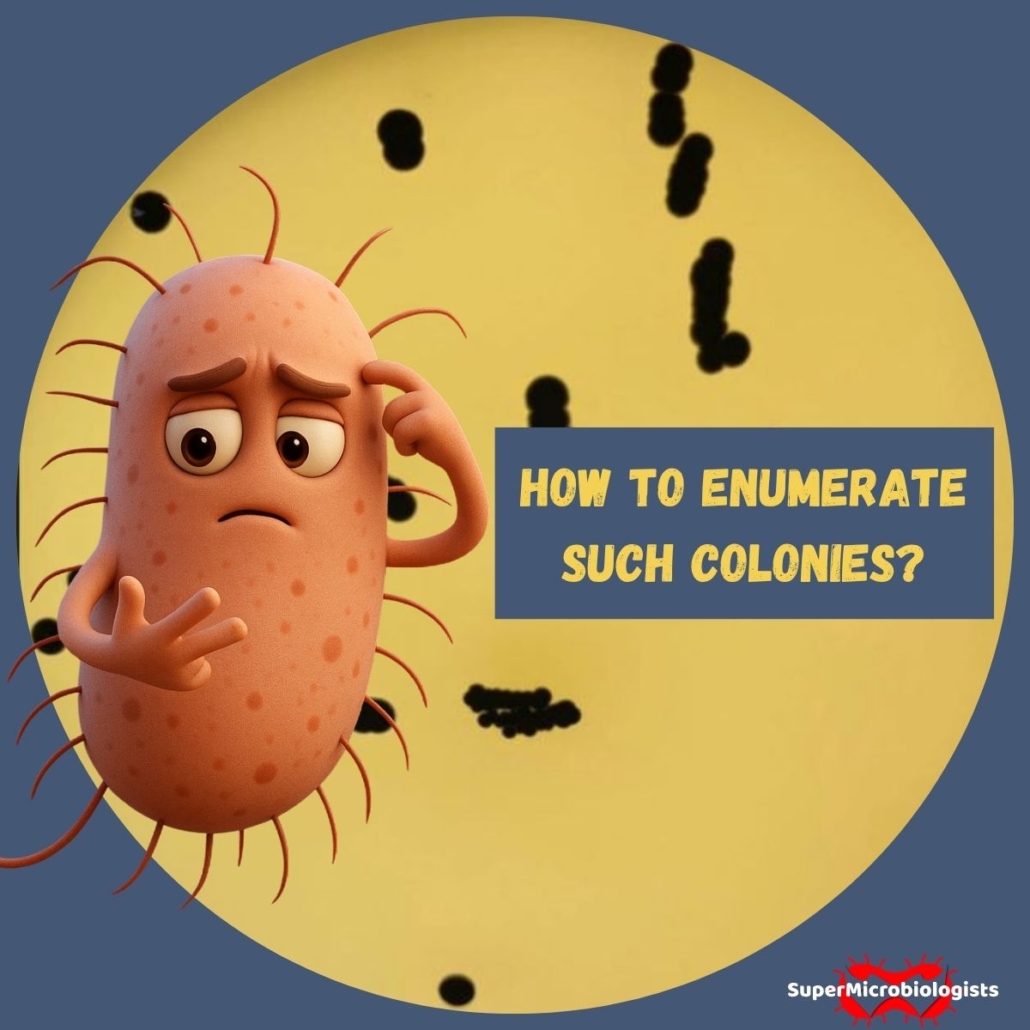
Honestly, we never thought we’d cover this topic on SuperMicrobiologists. It just seemed too basic, right? You just grab a marker and count the colonies… 1, then 2, then 3… and so on! But one day, a SuperMicrobiologist sent us two photos of Petri dishes with some… let’s say, unusual cases. Since we didn’t have […]
Pharma Microbiology: What Is a Bacterial Endotoxin?
We won’t lie, starting this article on endotoxins wasn’t easy! Endotoxins are at the crossroads of chemistry, biochemistry, and microbiology… not the most relaxing topic. But since most endotoxin tests are done in microbiology labs (and we’ve made peace with our chemistry teachers), we decided to dive in anyway, and guess what? We actually loved […]
Can the spreader mess up our bacterial counts?
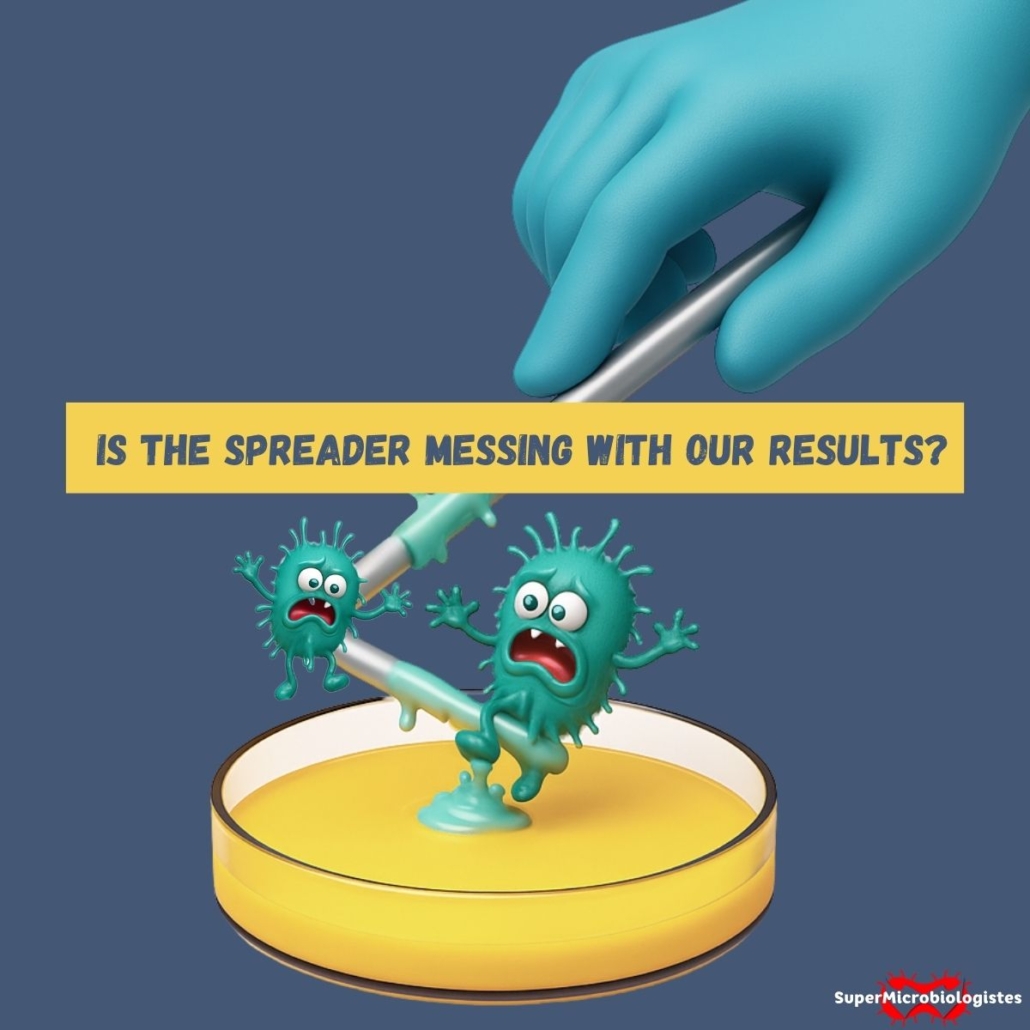
Disclaimer: This article is not a peer-reviewed scientific publication. It’s just a feedback report from a microbiology lab. The goal is to get us thinking about our lab practices. Enjoy the read! 😉 Are there still bacteria on my hockey stick after spreading? One common way to count bacteria on a Petri dish is by […]
Can disinfecting pharmaceutical facilities create microbiological risks?
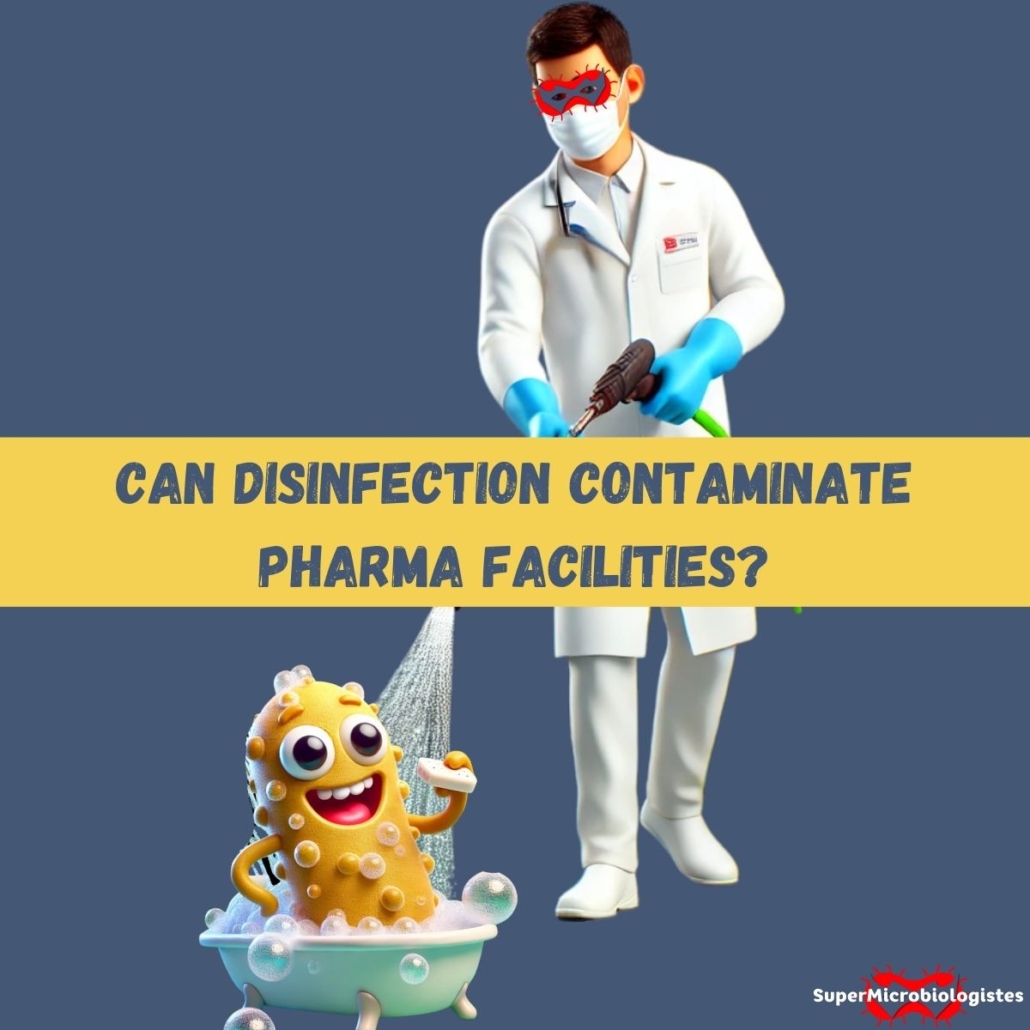
The question may seem surprising, but the problem is very real. To illustrate it, we spoke with Denis Streitt, Senior Global Technical Consultant at Ecolab. He shared one of his real-life experiences… and trust us, it’s absolutely fascinating! The Mystery of the “White Residue” A pharmaceutical lab contacted Denis to report an unusual issue: Their […]
Microbiology: 6 Tips to Choose the Best Micropipette

The micropipette is to microbiologists what a paintbrush is to painters! That’s why taking the time to choose the right micropipettes is essential (or you might end up with a disaster). To help you with this tough decision, we’ve surveyed numerous micropipette users — from suppliers to microbiology labs. Here are the key criteria to […]
In microbiology, which micropipette should you use: variable or fixed volume?
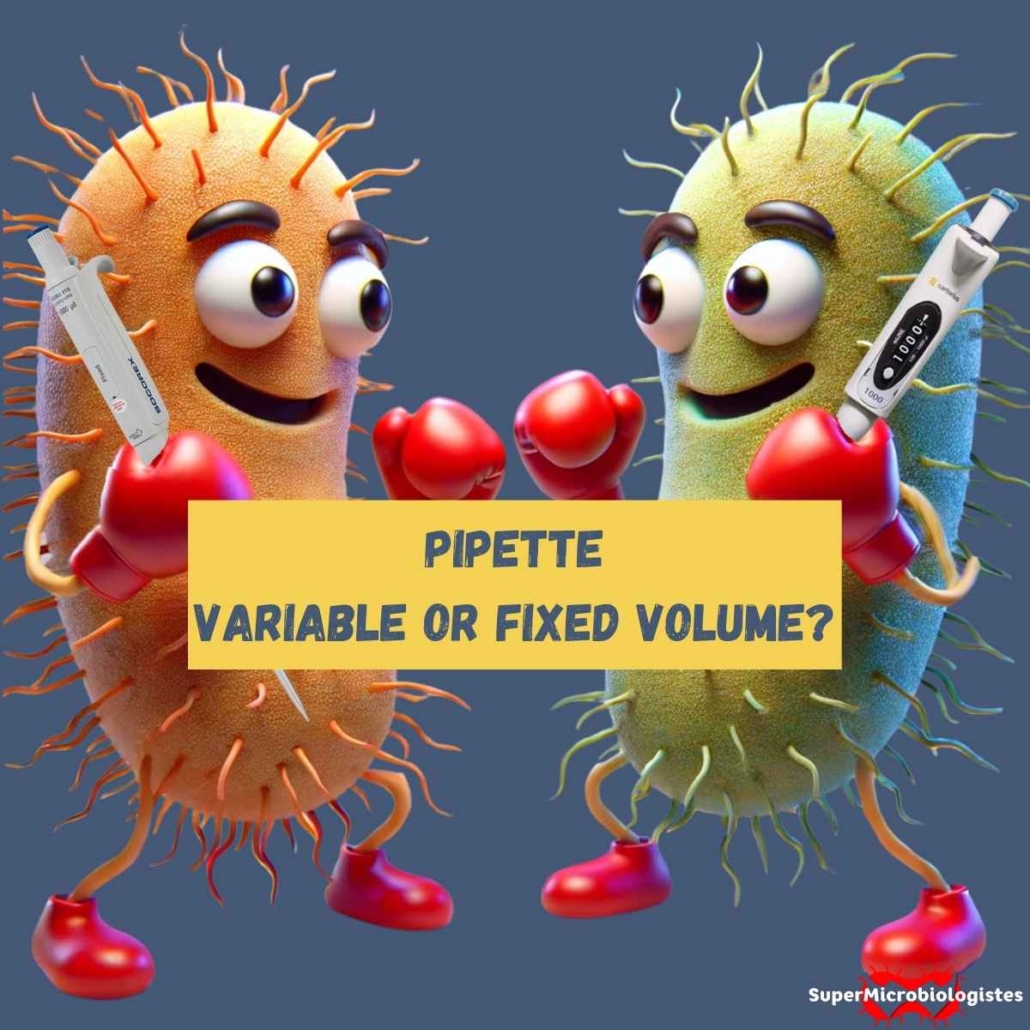
According to our survey, the choice is clear among SuperMicrobiologists: 79% use variable-volume micropipettes in their microbiology labs. In many fields, people say, “if you can do more, you can do less,” so one might think that a variable-volume micropipette would meet all needs. But is it really necessary to use a variable-volume micropipette if […]
Microbiology: 6 Tips for Perfect Pipetting
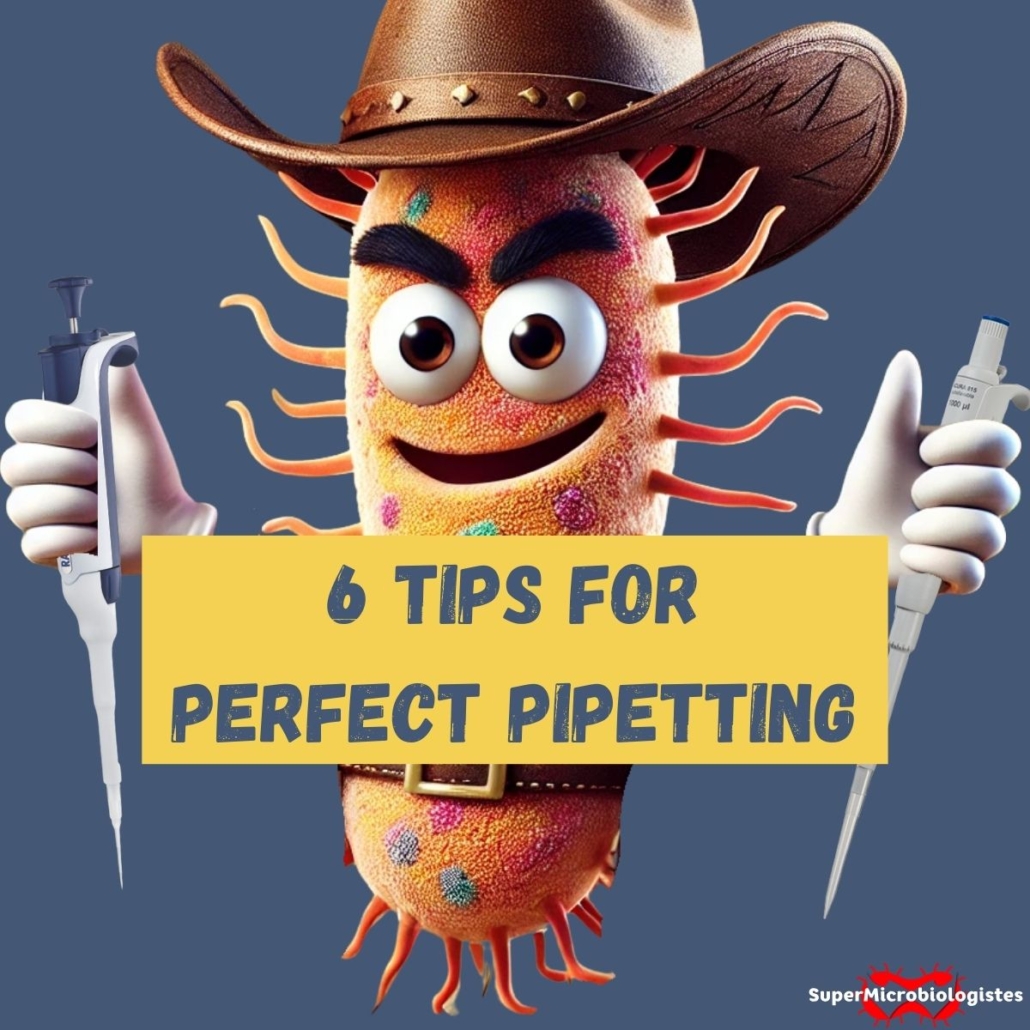
If you’re on the SuperMicrobiologistes website, chances are you already know how to use a micropipette. So, we won’t go over the basics of pipetting again. The goal of this article is to help you gain a few extra percentage points of precision so you can become true micropipette pros. We’ve explored microbiology labs and […]