
Integrating a New Microbiologist: How to Optimize Training and Qualification

When a new microbiologist joins your team, before they can fully contribute to laboratory analyses, two crucial steps are necessary: training in the lab’s specific methods, followed by… their authorization! But what is this exactly? Authorization, far more than a mere formality, is an essential process. In a context where recruiting and especially retaining technicians […]
SuperMicrobiologists’ survey

Once a week, on our LinkedIn SuperMicrobiologists page, we poll microbiologists on a question of “general interest”. The results aren’t always what we thought they’d be… but that’s what makes the community so strong! Bulk survey
The name behind the strain: Cronobacter sakazakii
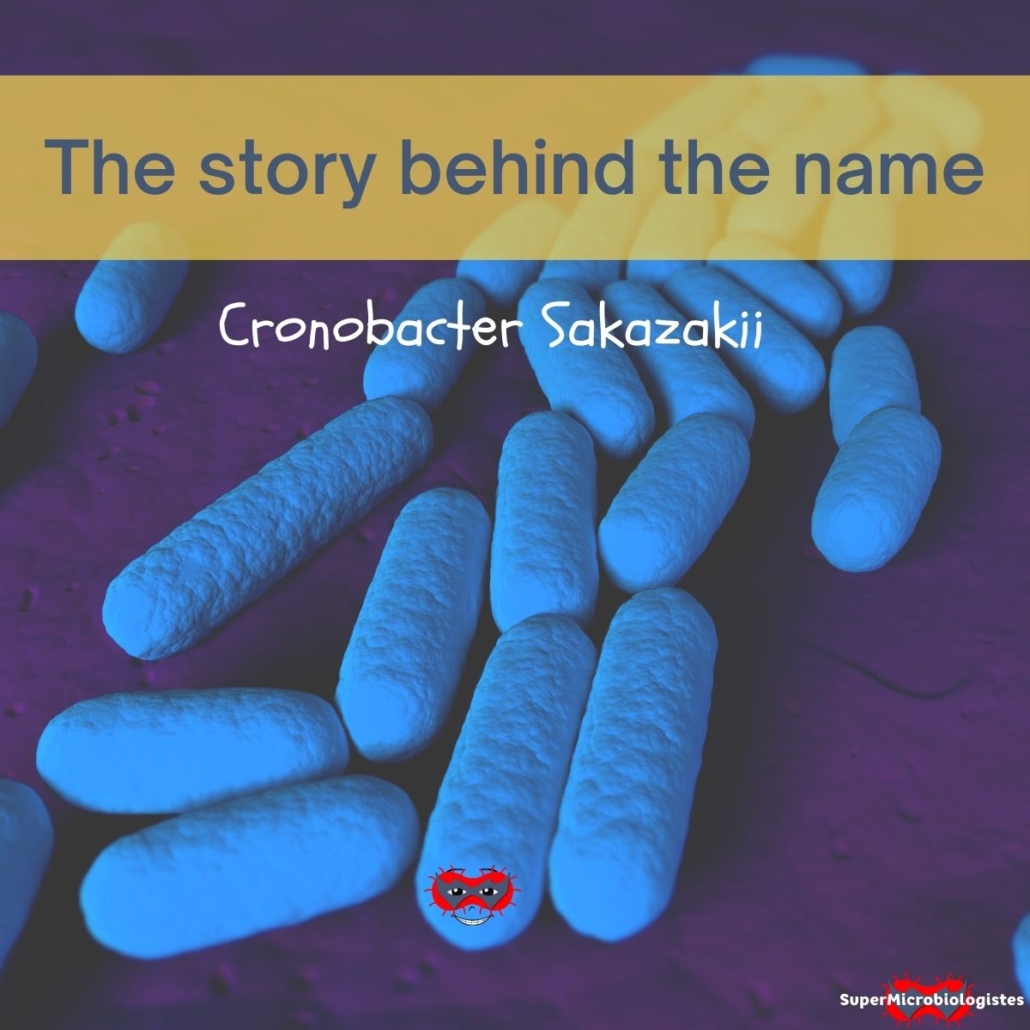
Following Francois Bourdichon’s request, here is the super-interesting story of Cronobacter sakazakii. This bacteria was first isolated in 1961. Initially, it was named “yellow-pigmented Enterobacter cloacae“ within the genus Enterobacter. It was not until 1980 that the strain was named Enterobacter sakazakii, in honor of the Japanese microbiologist Riichi Sakazaki. In 2007, DNA-based phylogenetic analyses […]
The name behind the… culture media : Sabouraud
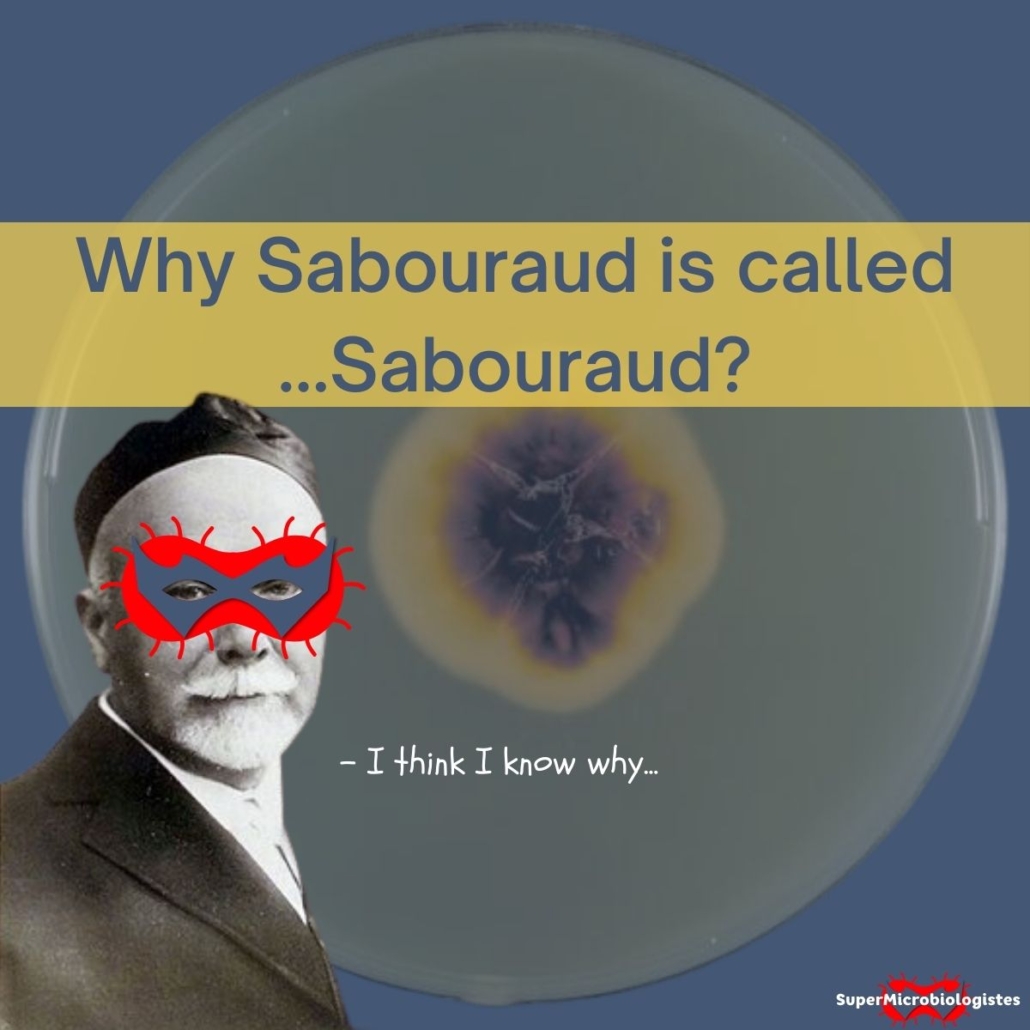
Sabouraud culture medium is named after Raymond Sabouraud, a French dermatologist , known for his work in mycology . It has an acidic pH and high glucose content, promoting fungal growth while inhibiting most bacteria . This medium remains widely used in microbiology for the detection of yeast and molds. Do you use Sabouraud in your lab?
The name behind the strain: ESCHERICHIA COLI

Ever wondered how bacterial strains get their names? Let’s uncover the story behind these names! We begin with probably the most famous one… Escherichia coli. E.coli was named after Theodor Escherich, a German pediatrician who discovered this bacterium in 1885 . Escherich initially called it “Bacterium coli commune” as he found it in the colon. Over […]
The worldwide map of microbiology labs
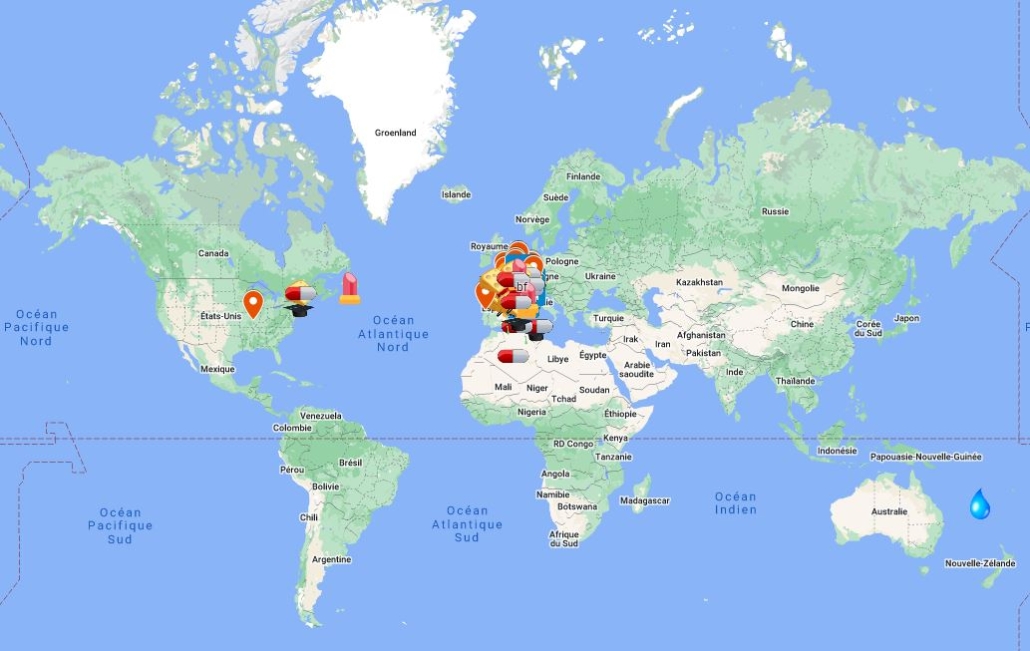
This map is the fruit of the collaborative work of the SuperMicrobiologists. Your answers will enable us to complete the map. Click here to add your lab to the map.