
Manual or Electronic Micropipette: How to Choose?
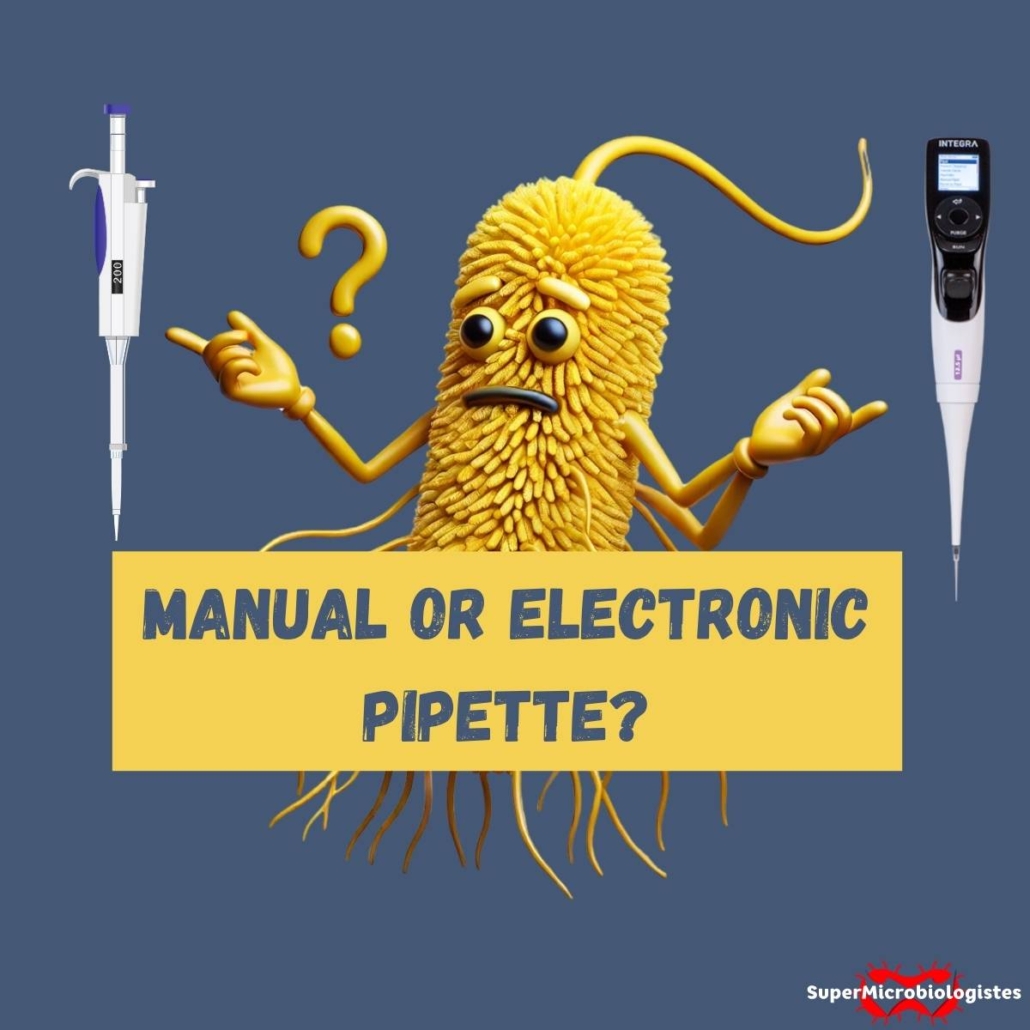
The world of microbiology is divided into two camps: those who love electronic micropipettes and those who… dig in love manual micropipettes. Both options have their advantages and disadvantages. To help you pick a side, we’ve listed them for you. The Manual Pipette As the name suggests, the manual micropipette is operated manually by the […]
Microbiology: Everything you need to know about micropipettes
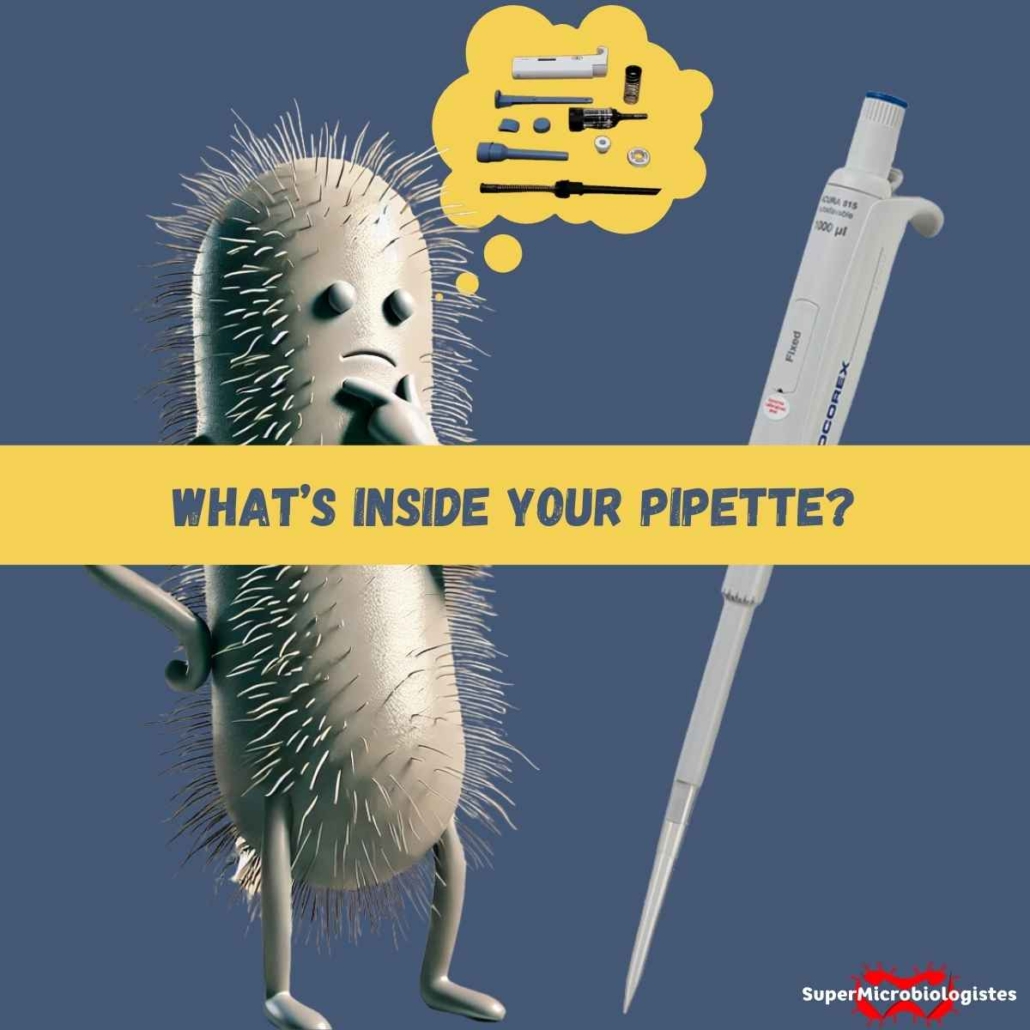
In the microbiology lab, we all know how to use a micropipette, but do we really know how it works? For years, we’ve just called it a “micropipette.” But after chatting with some experts, we learned its proper name is actually “air-cushion micropipette.” To be fair, “air-cushion micropipette” is a bit of a mouthful, isn’t […]
Food microbiology : How to choose the best Buffered Peptone Water ?
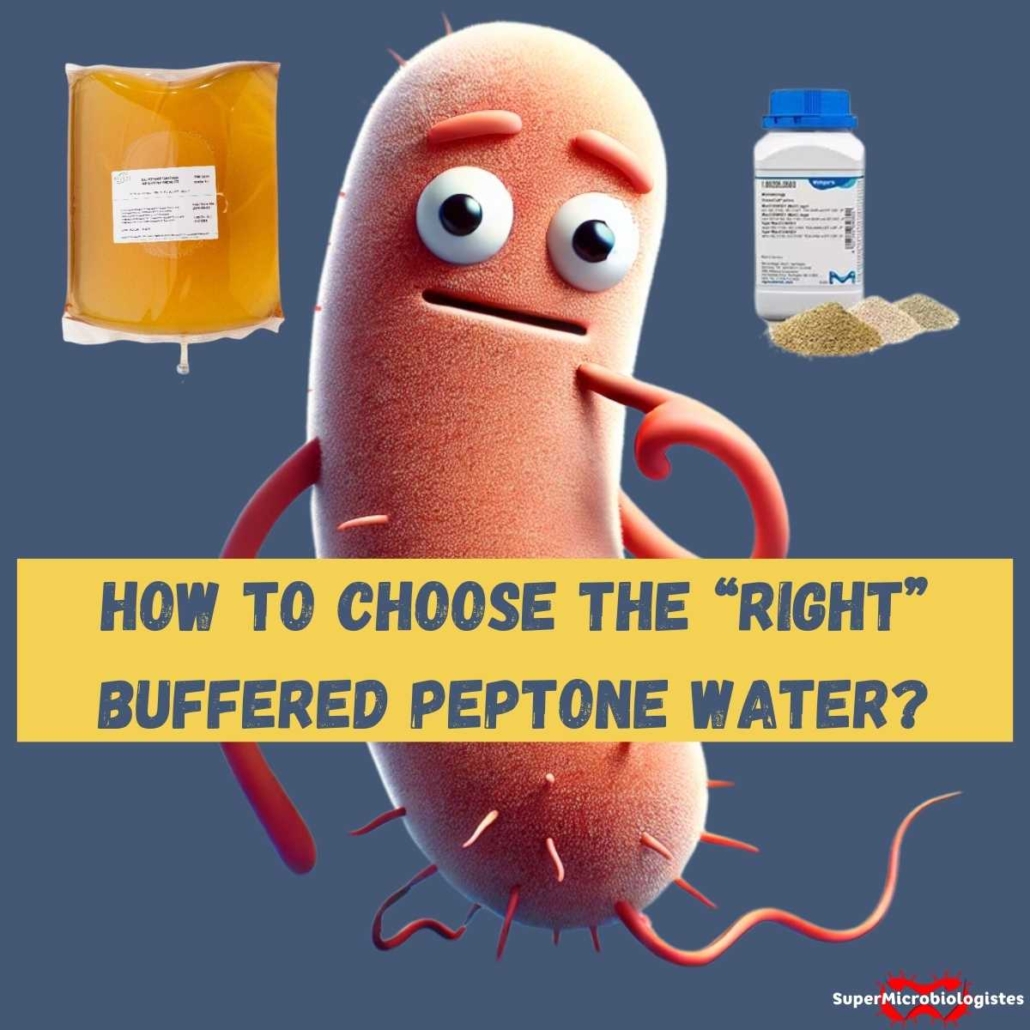
BPW (Buffered Peptone Water) is an enrichment broth (or diluent) used in most food microbiology laboratories. When we started writing this article, we thought, “BPW is BPW—they’re all the same! Plus, with supplier certificates of analysis and ISO 11133 tests, there’s no risk.” Apparently, we weren’t the only ones who thought that: Well, we were […]
Ready-to-use culture media bags in food microbiology: Advantages, disadvantages, and supplier selection
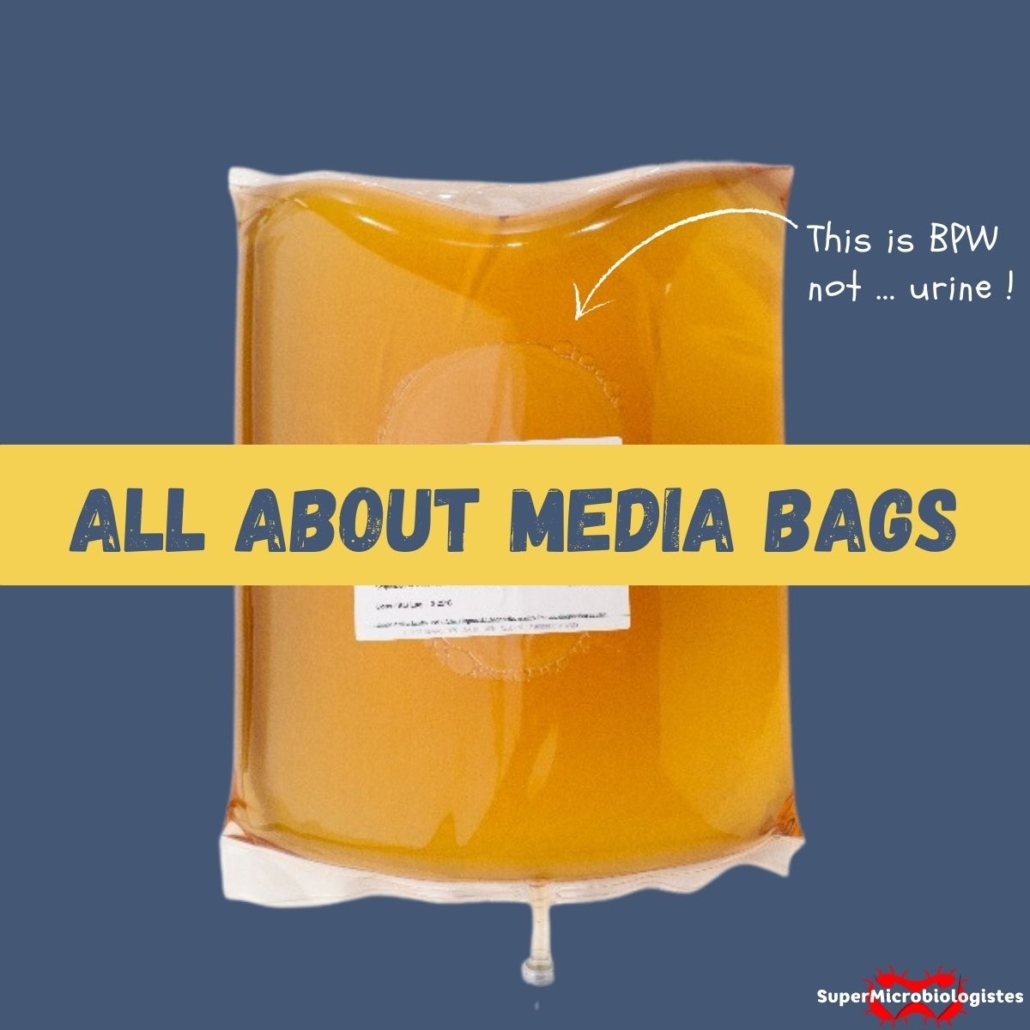
Summary of this article (for those in a hurry 😁): Ready-to-use (RTU) culture media bags in food microbiology offer a quick and convenient solution. Advantages: no preparation required, time-saving, simplifies analyses. Disadvantages: higher cost compared to powdered media, handling and risk of musculoskeletal disorders (MSDs), ecological impact of transporting water. Supplier selection criteria: media quality, […]
ISO 11133 and Media Preparators: How Do Food Microbiology Labs Handle the Concept of a Batch?
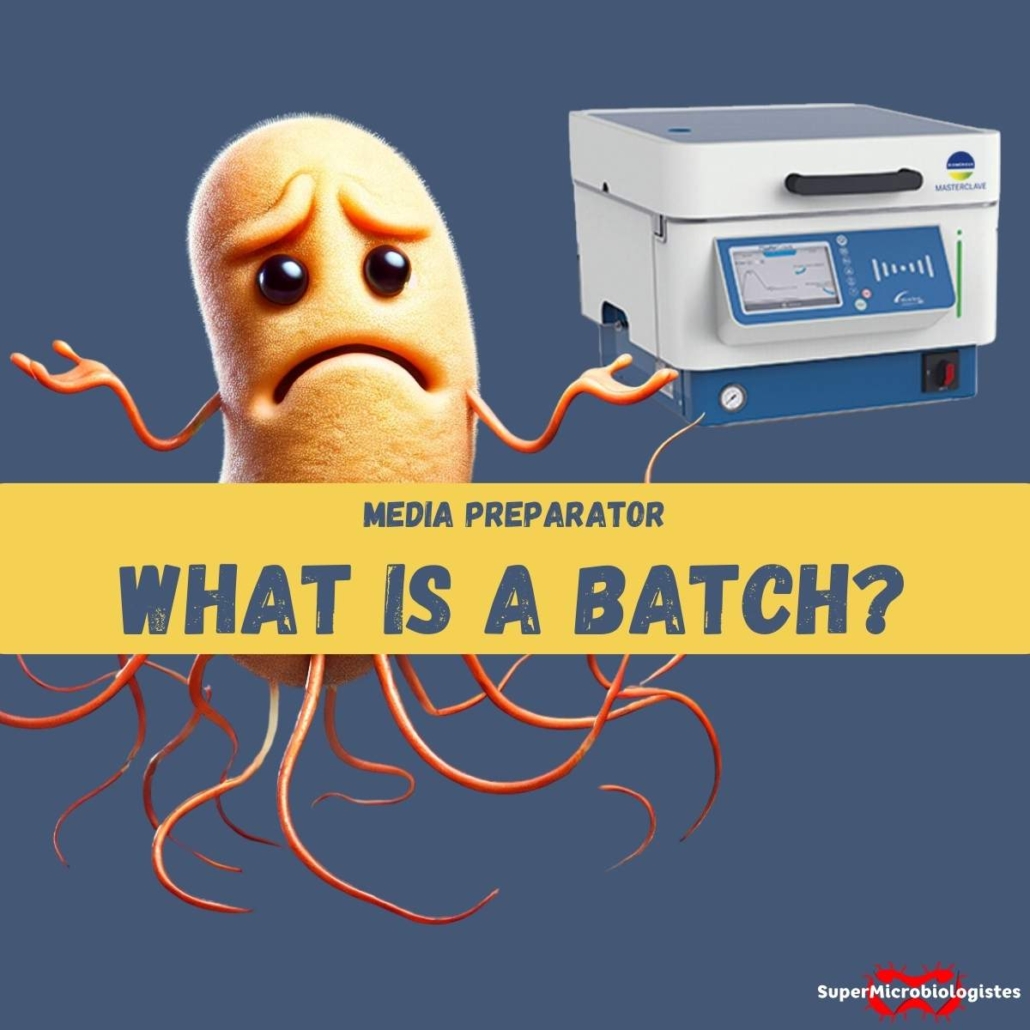
Summary of this article (for the lazy ones 😁): 👉 The definition of a batch in food microbiology is complex and subject to various approaches.👉 The three accredited laboratories interviewed believe that a media preparator cycle ≠ a batch.👉 Key factors: cycle parameters, water quality, staff qualification, and internal controls.👉 Each lab tailors its method […]
Food Microbiology: 6 Tips to Choose the Best Culture Media Preparator
Summary of this article (for the lazy ones 😁): When using enrichment broths in a food microbiology laboratory, there are several options: According to our LinkedIn survey, 16% of SuperMicrobiologistes currently use media preparators in their laboratories. This percentage would likely be much higher if the question had been asked exclusively to food microbiology laboratories. […]
Impact of the hockey stick spreading on microorganism enumeration

Whether you call it a hockey stick, a spreader, a spatula, the L-shaped thing for spreading or Drigalski’s rake (the debate is still open on LinkedIn), the use of this instrument must be mastered to perfection! Use it too intensively and you run the risk of killing microorganisms; use it too “laxly” and enumeration will […]
Food Microbiology : What Are the Benefits of Automation in the Lab?
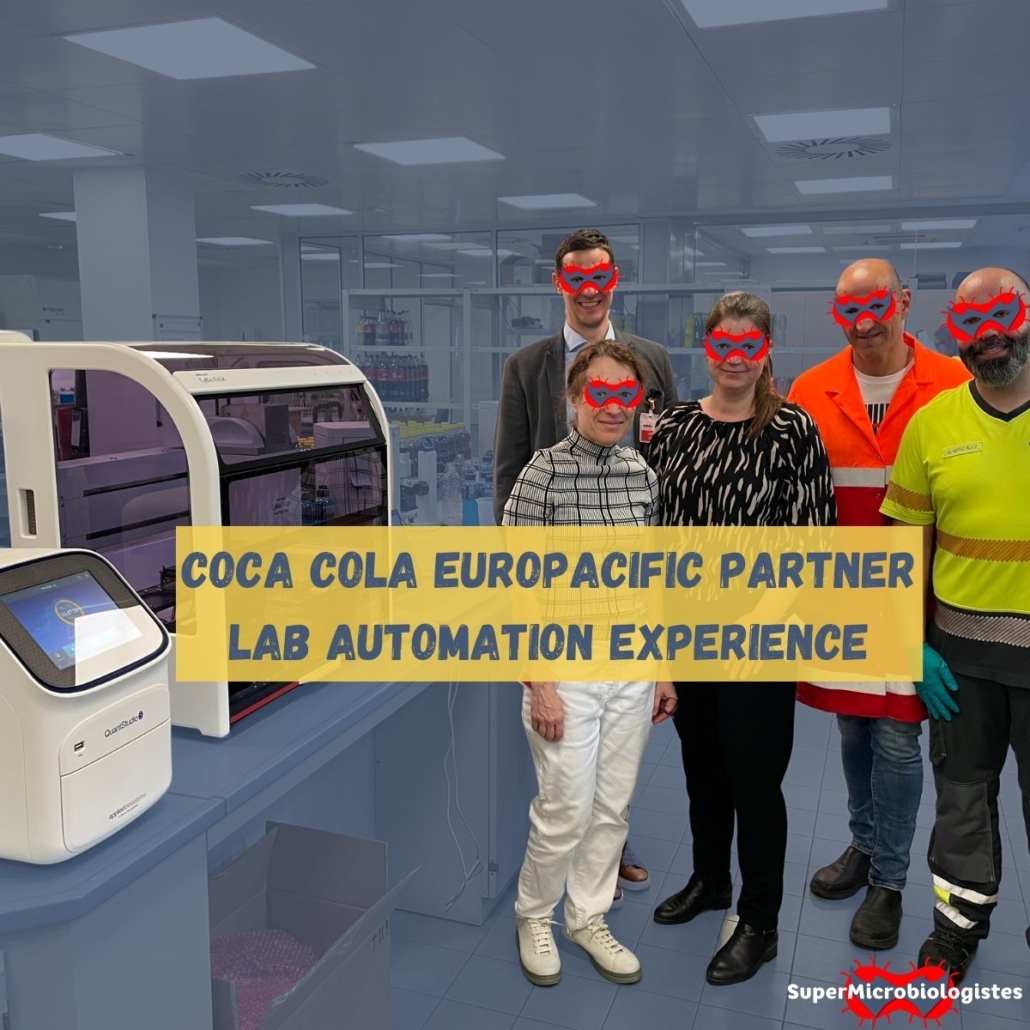
Automation in microbiology labs is a hot topic these days. However, before taking the leap, microbiologists still have many questions: To answer these questions, we talked to a lab that has already taken the plunge. Here is an interview of Raul Mesa, Quality and Food Safety Manager for Coca Cola Europacific Partner, who recently implemented […]
Which Plate to Choose for Environmental Monitoring: RODAC, Contact, or 55 mm?
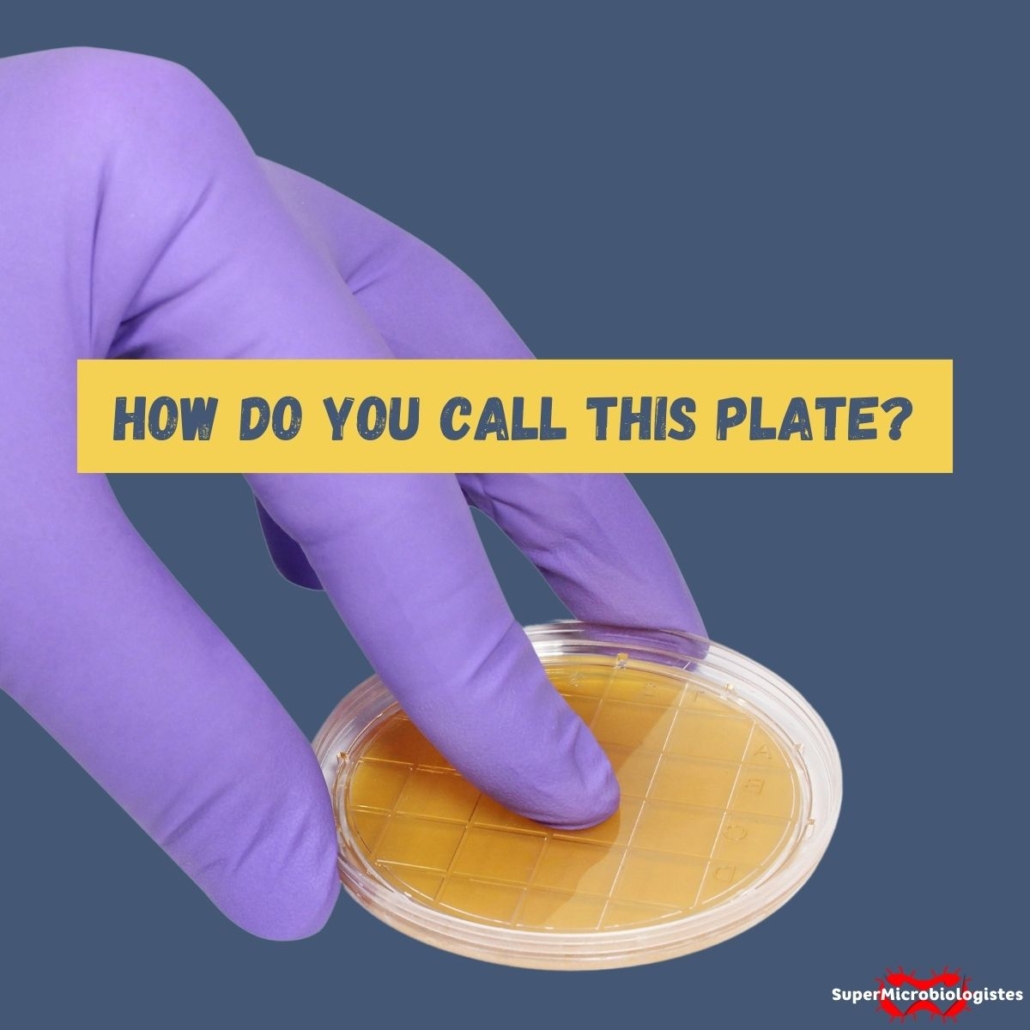
Have you ever found yourself in a conversation where everyone uses different terms to talk about the same thing? That’s exactly what we noticed with the plates used for surface sampling. We did a quick survey with the SuperMicrobiologistes, and here are the nicknames you gave them: But do all these terms mean the same […]
Microbiology: How to Decontaminate an Air Sampler lid Between Samples?
When you go on an air sampling campaign, it’s never for just one sample. You get your control plan ready (whether on paper or digitally), pick up your air sampler and agar plates, and head off for a few hours in the production area. But between two samples, to avoid cross-contamination, how do you ensure […]